RIVERSIDE PROJECT
INNER WEST, SYDNEY
Every step mattered small and big. I asked myself what if I could create something where nothing new was added?
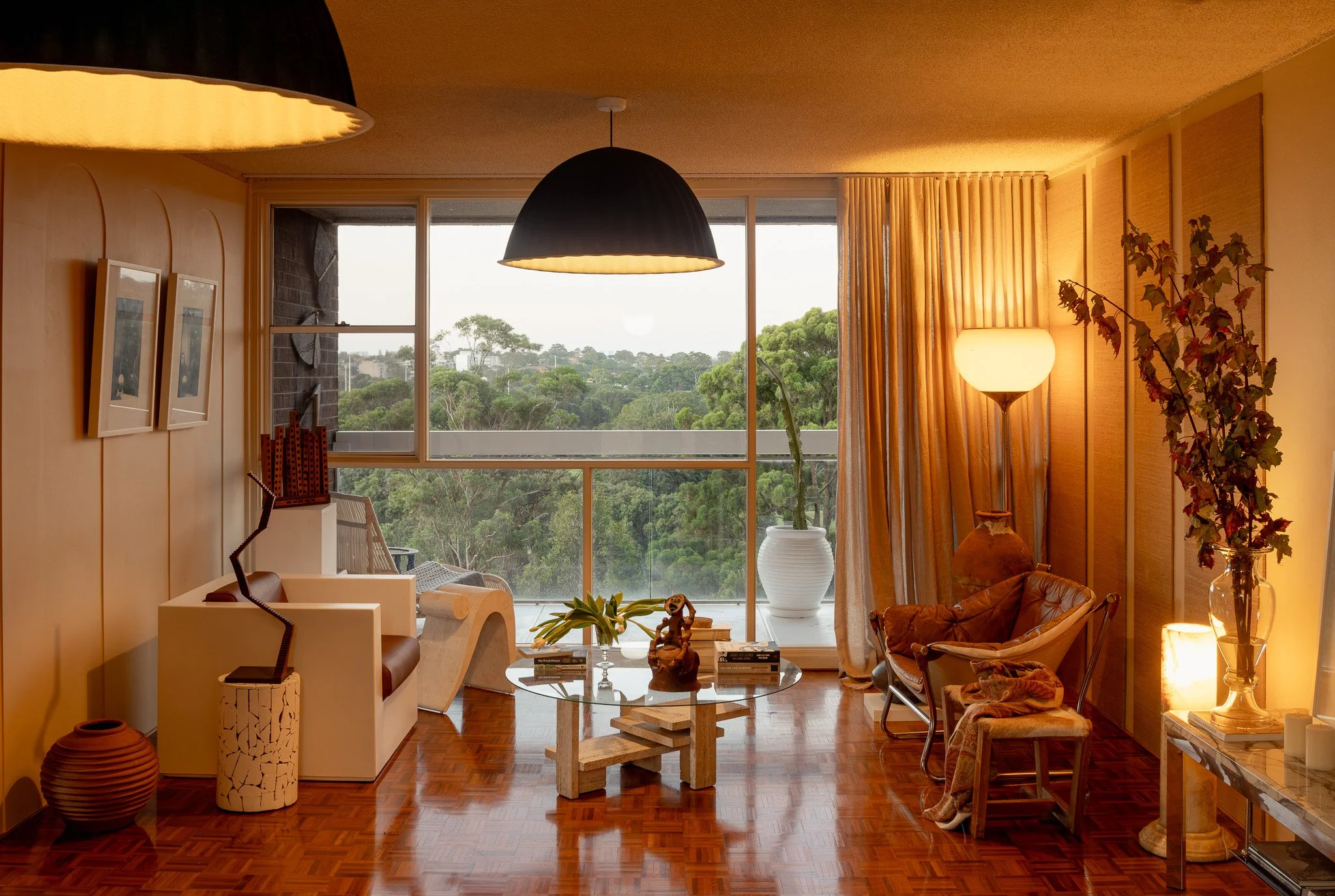
In 2002, I purchased a striking 1968 riverfront property nestled in Sydney’s inner west drawn not just to its location, but to its rare architectural pedigree. It is, to my knowledge, the only known Harry Seidler-designed residence in the inner west. As both an interior designer and longtime admirer of Seidler’s legacy, I saw the acquisition not only as a home, but as a dream opportunity to one day reimagine it.
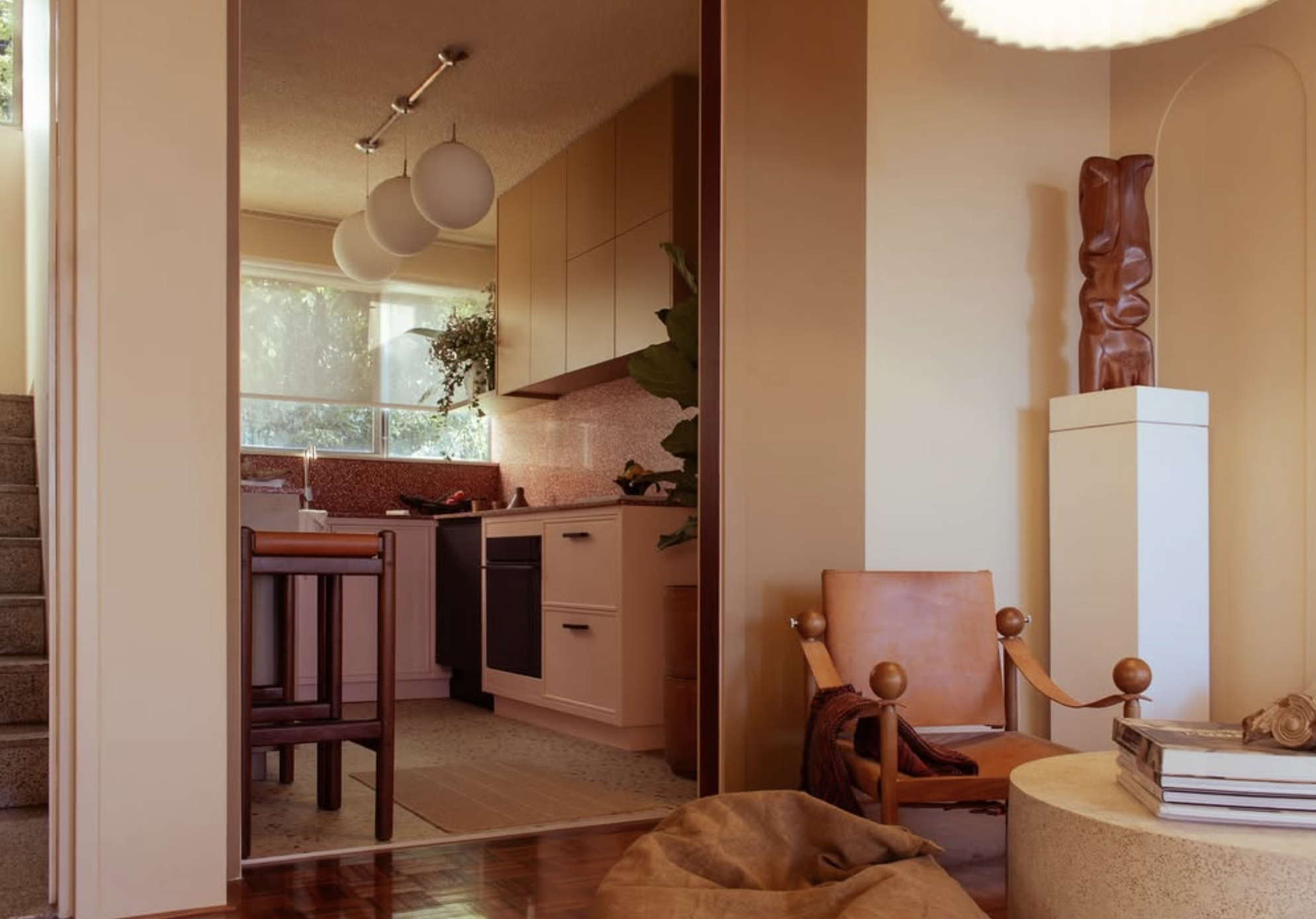
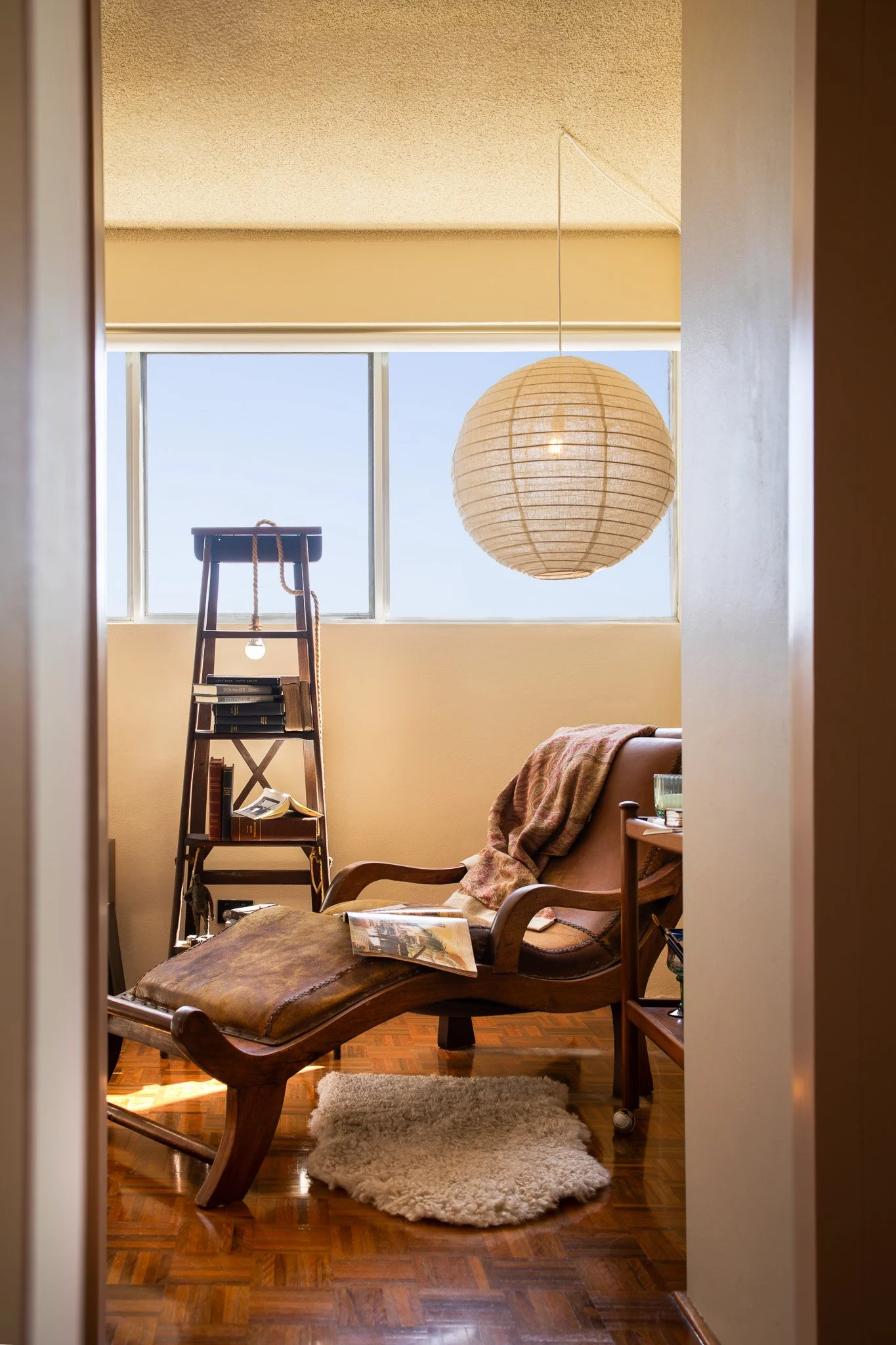
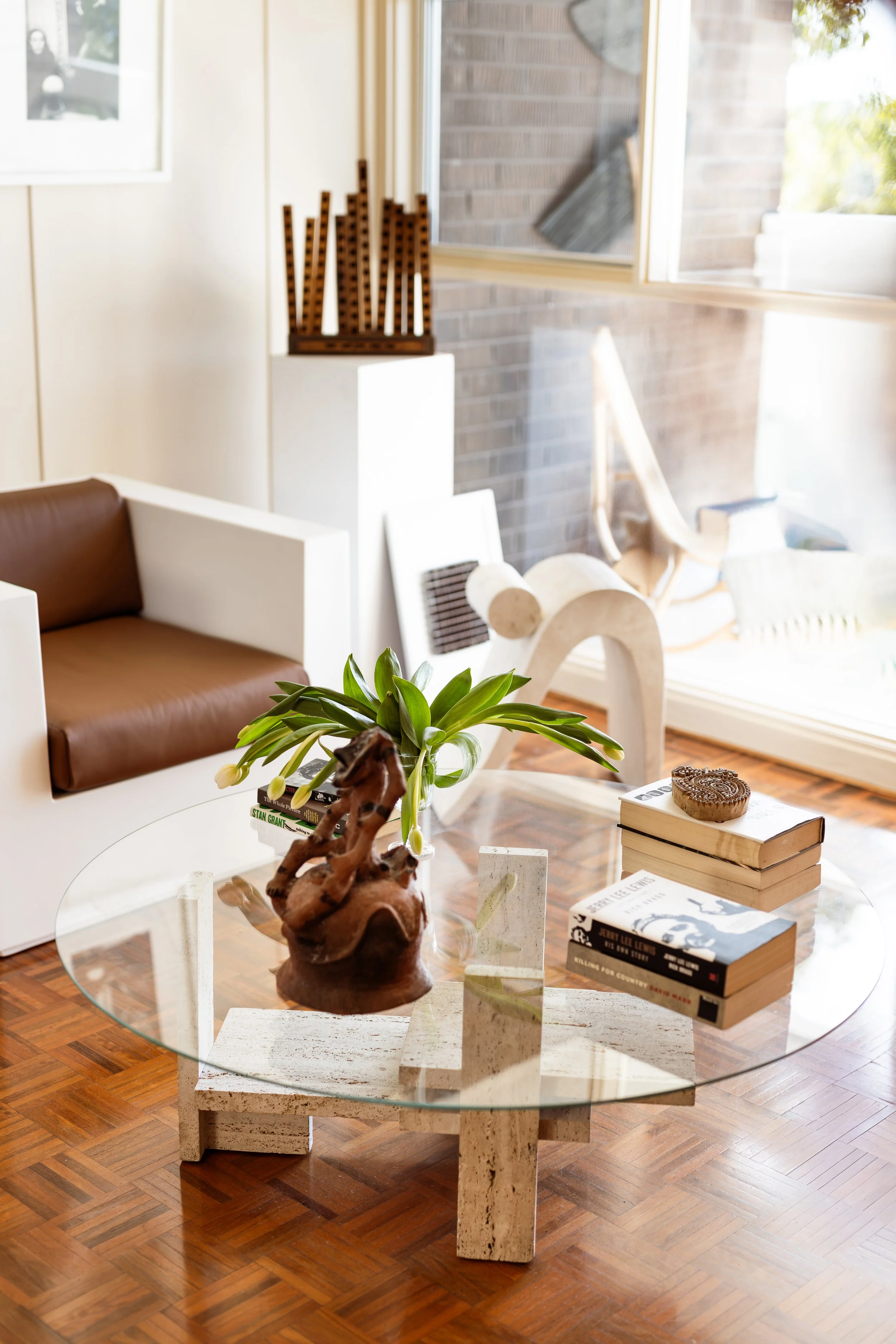
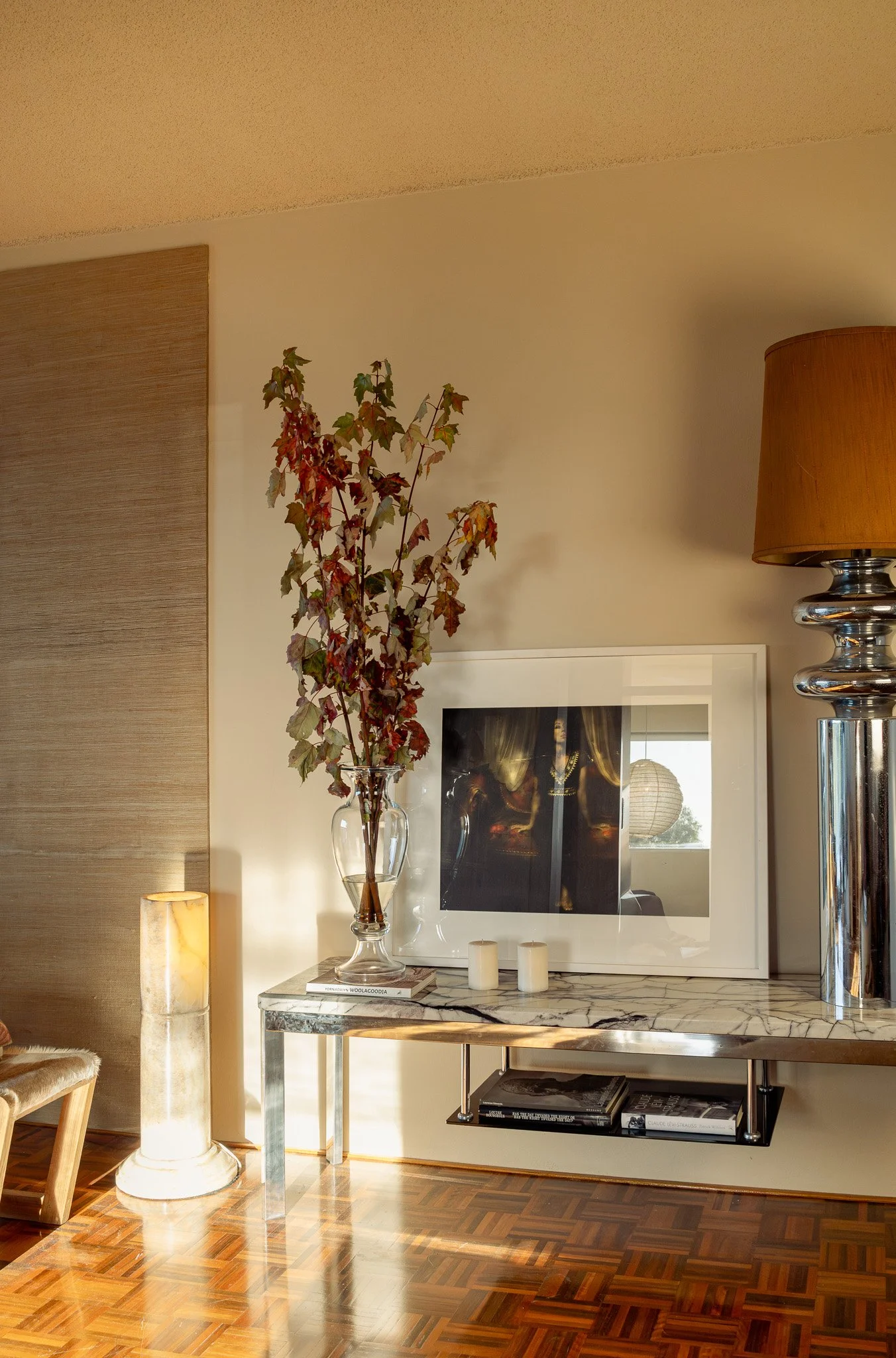
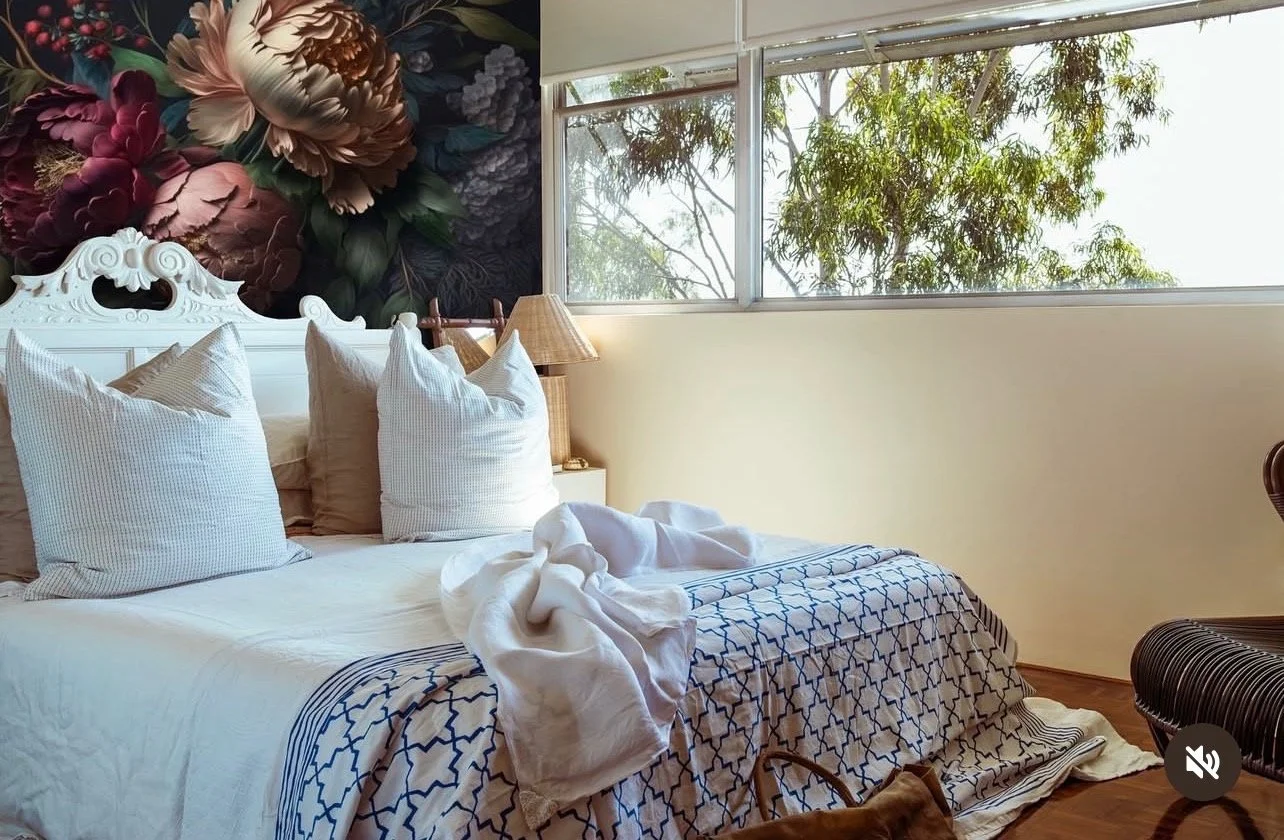
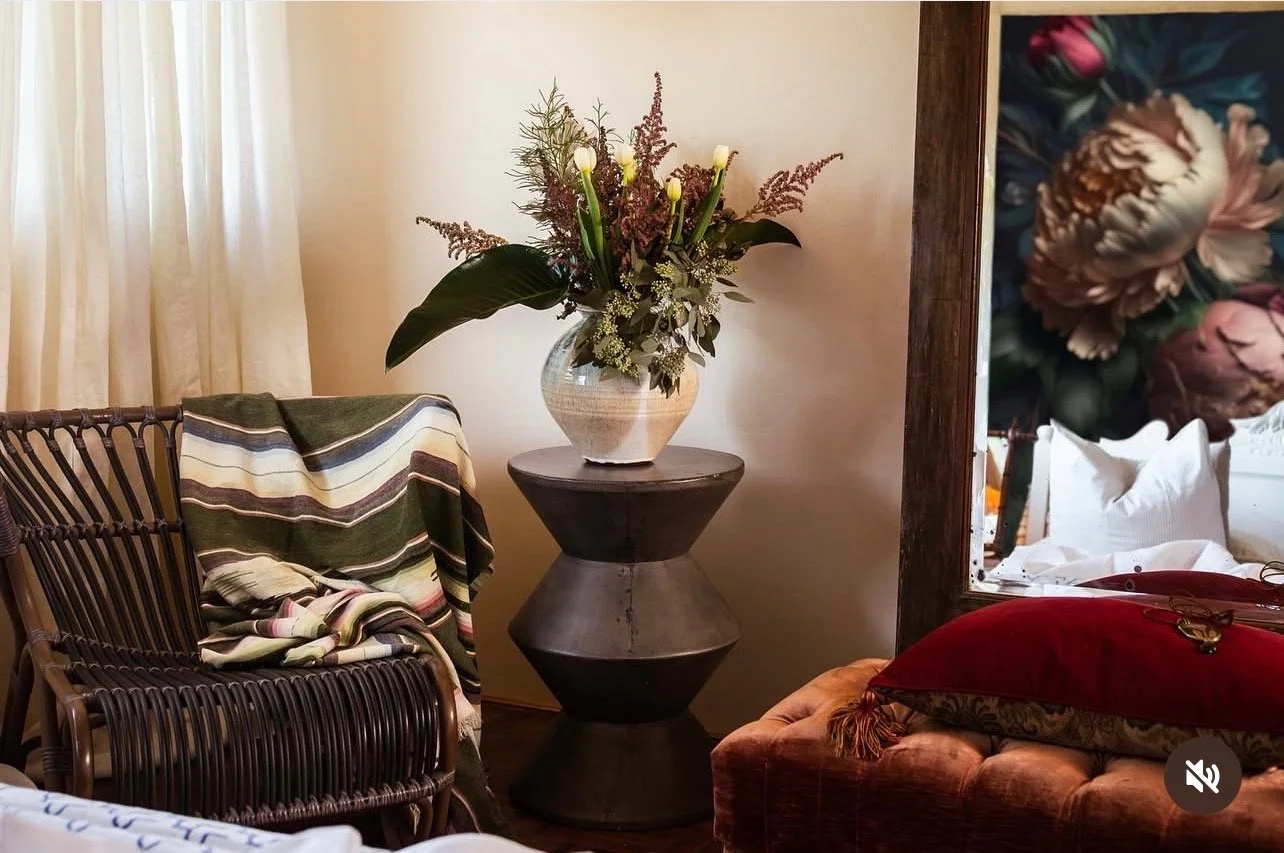
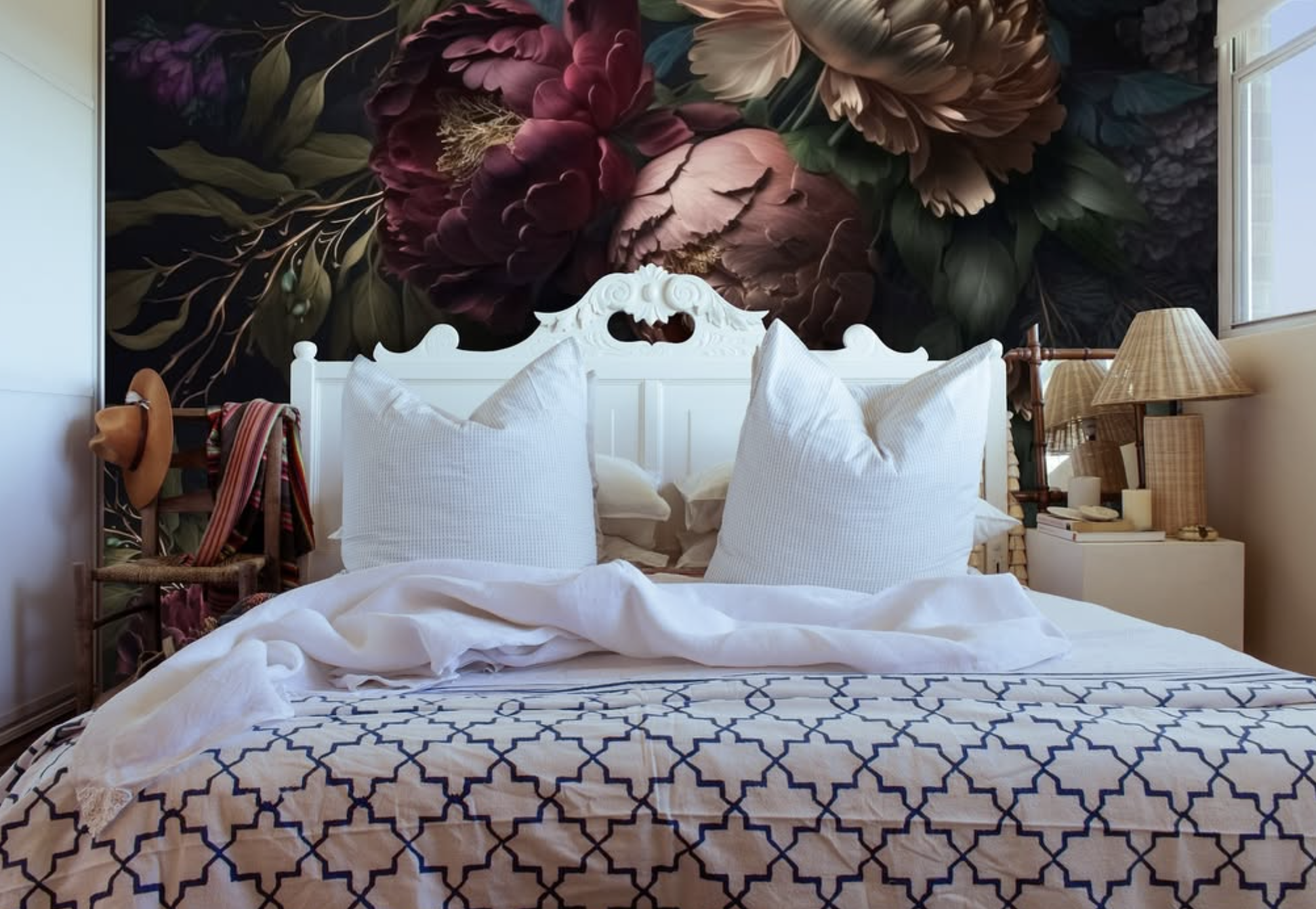
When the tenant recently moved out, that vision finally took form. Through my Sydney-based practice, Studio Margarit, I reinterpreted the home with respect for its origins and a desire to push aesthetic boundaries. I layered mid-century precision with expressive, tactile elements: vintage pieces like a Willy Ballez table and the iconic Saratoga chair, sculptural works by Robert Hawkins, and my own photography throughout the interiors.
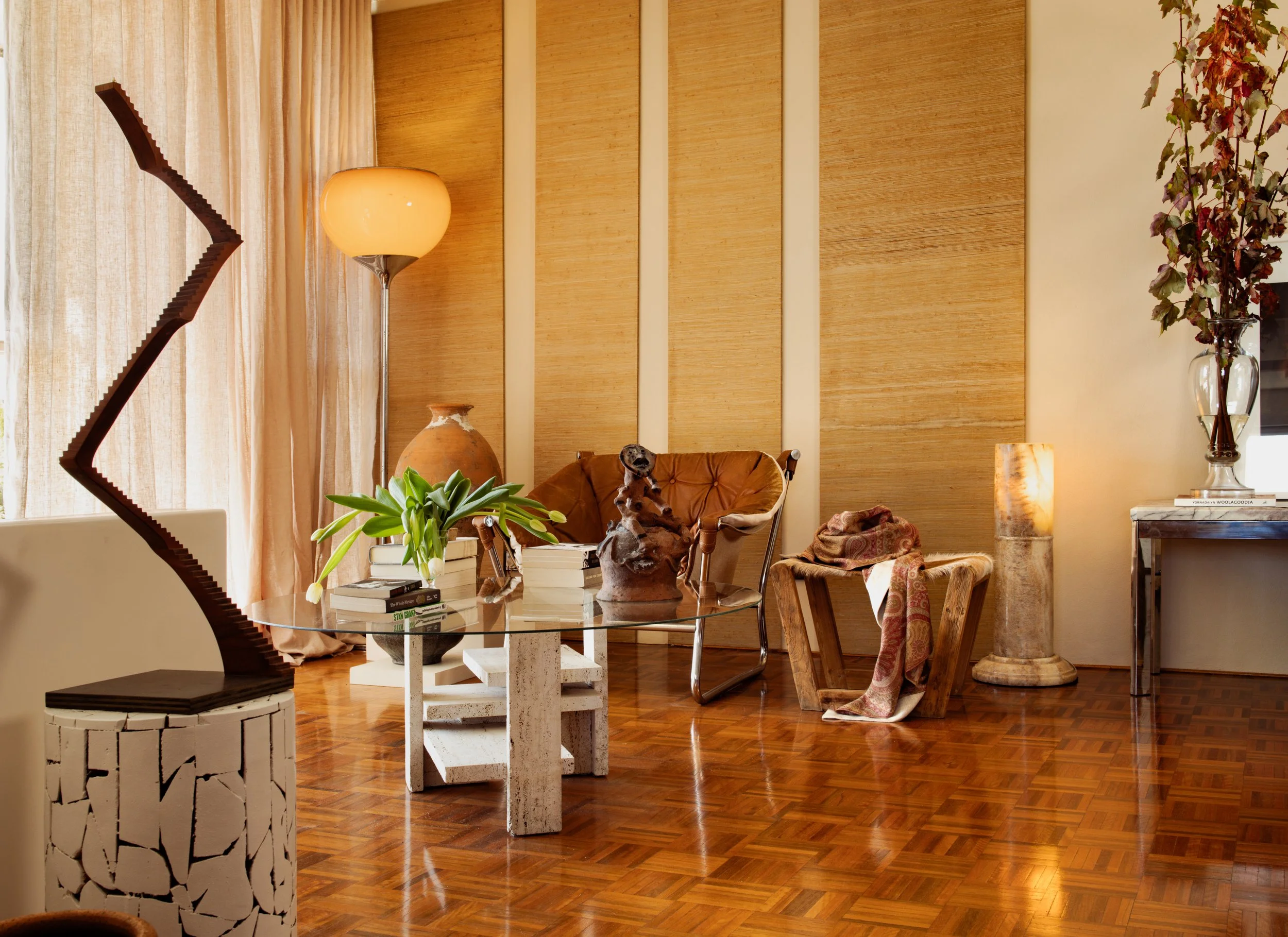
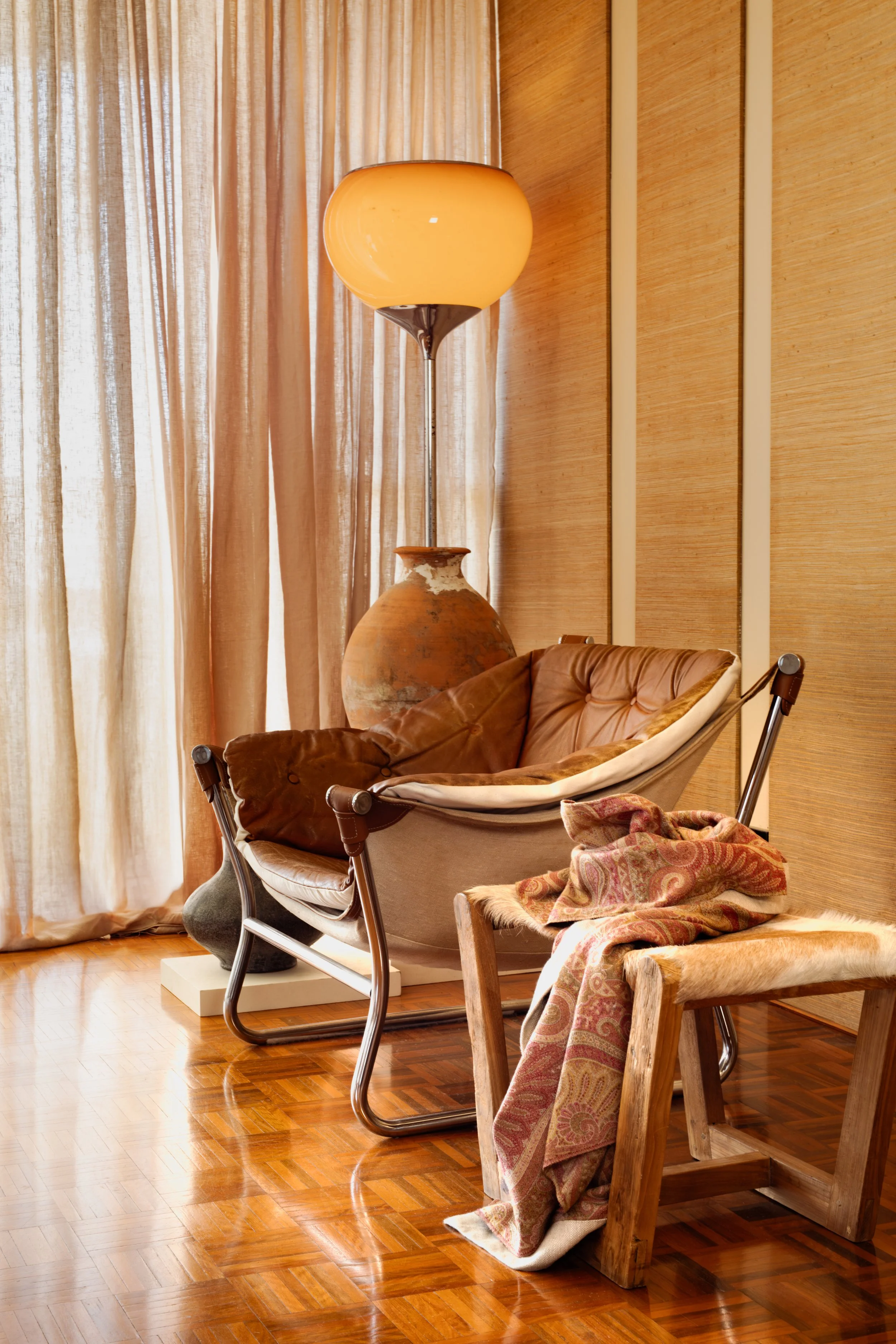
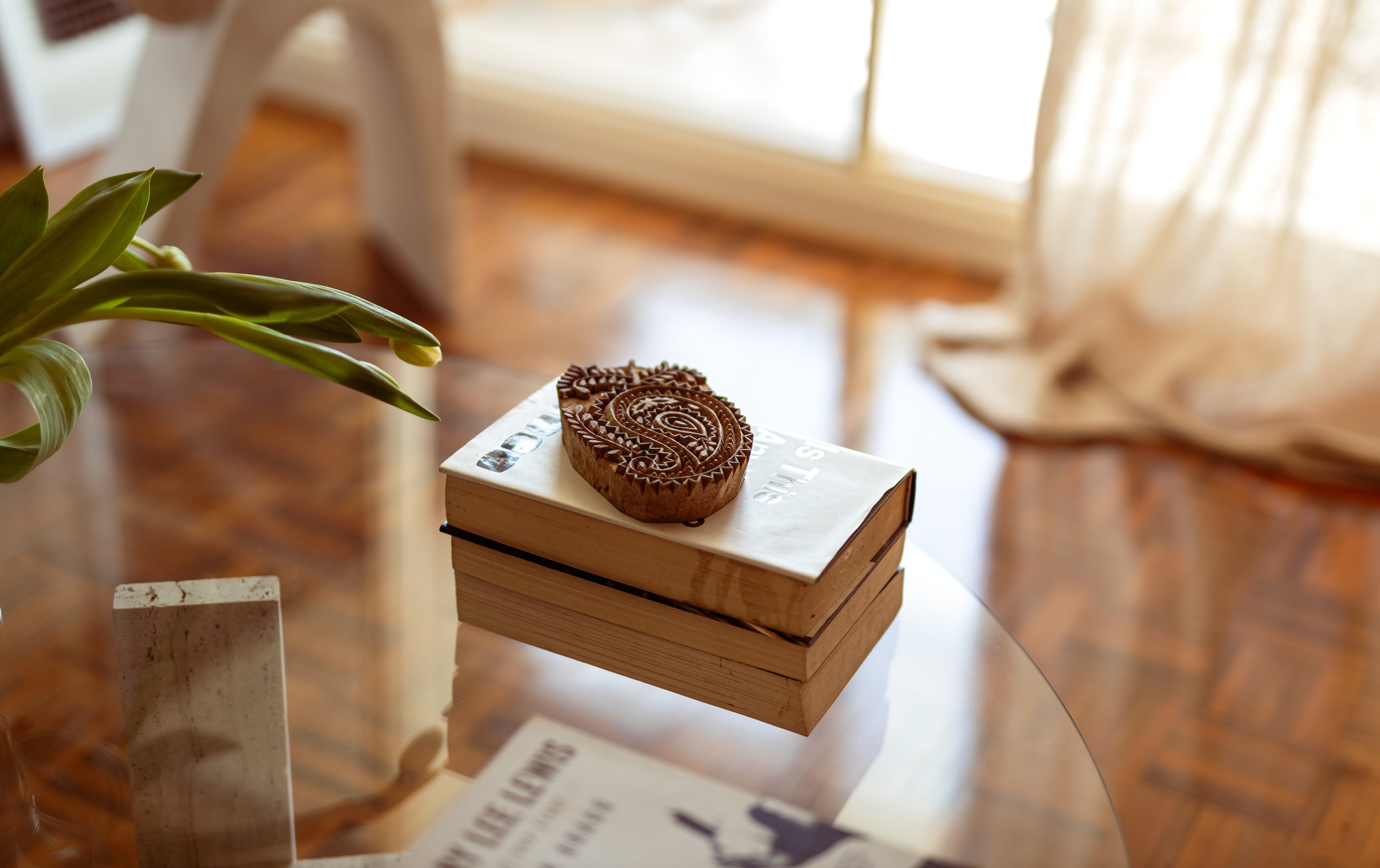
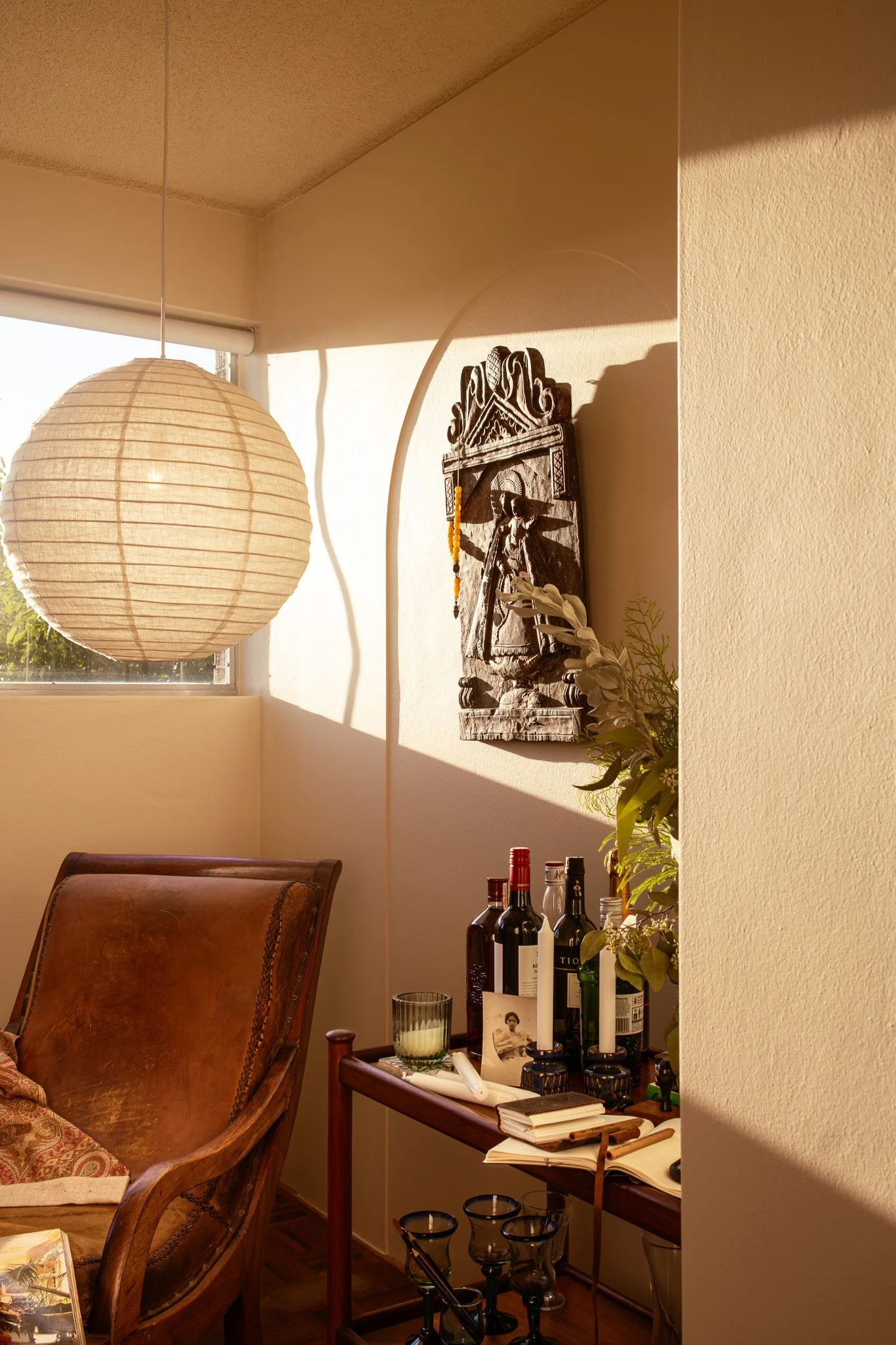
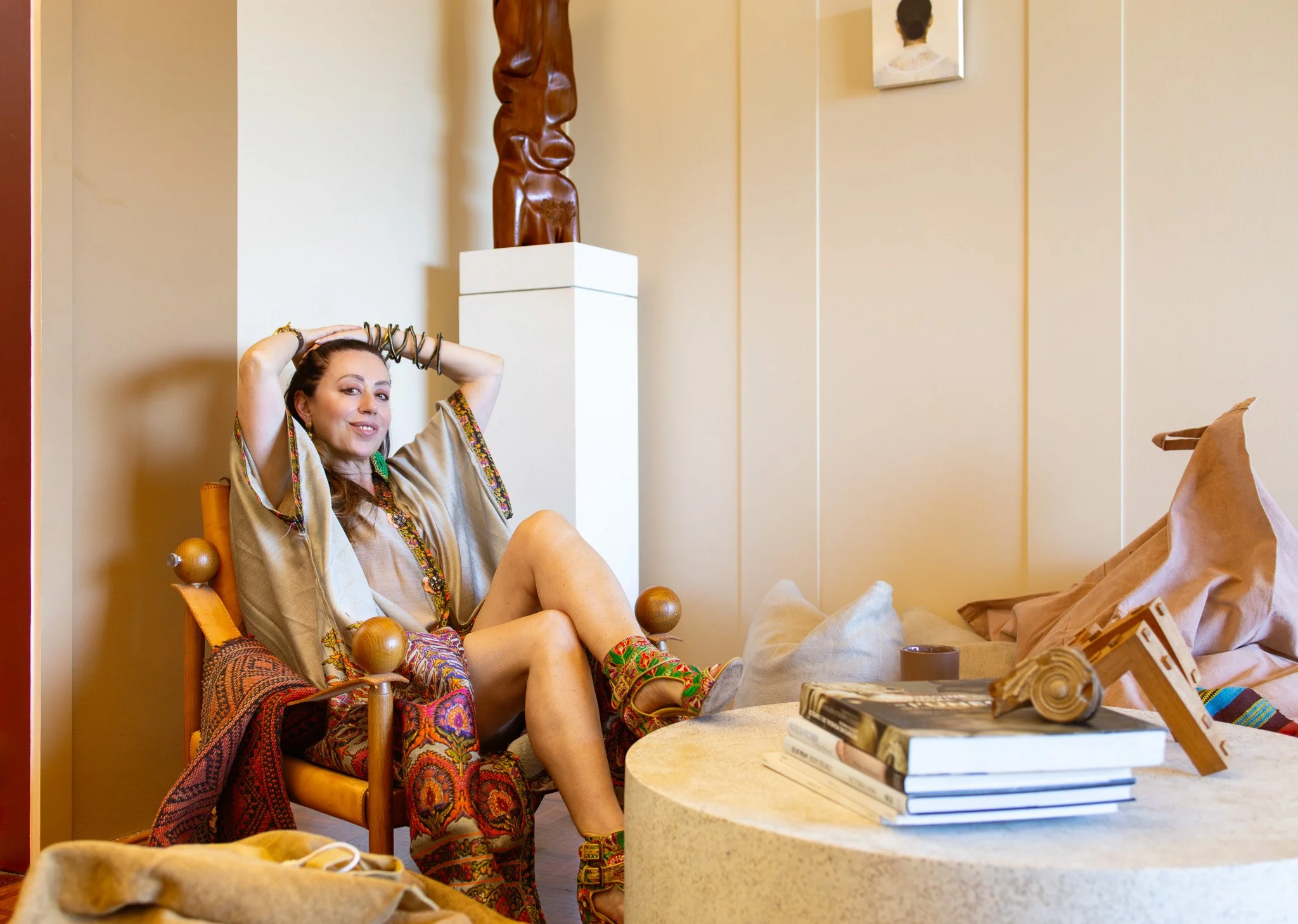
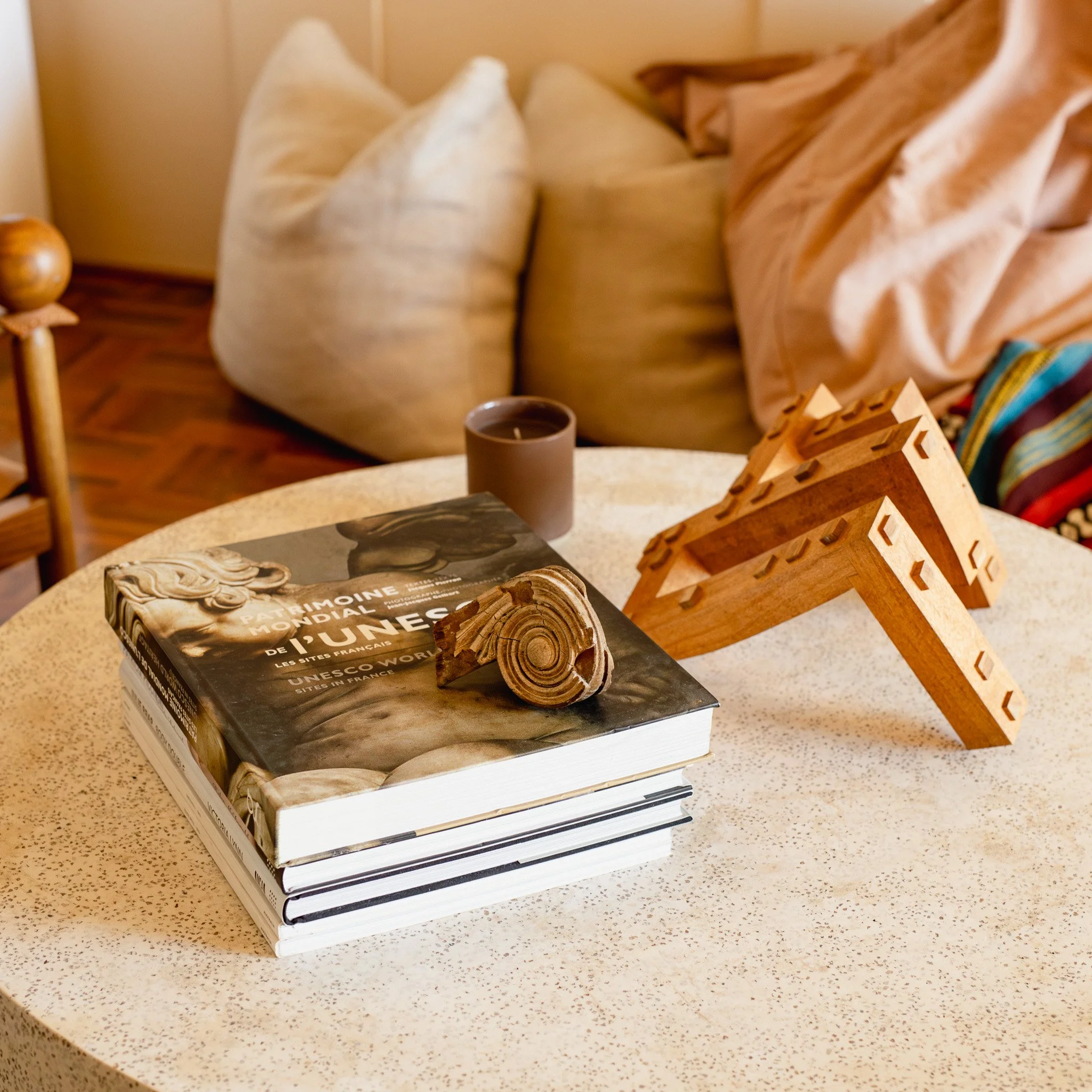
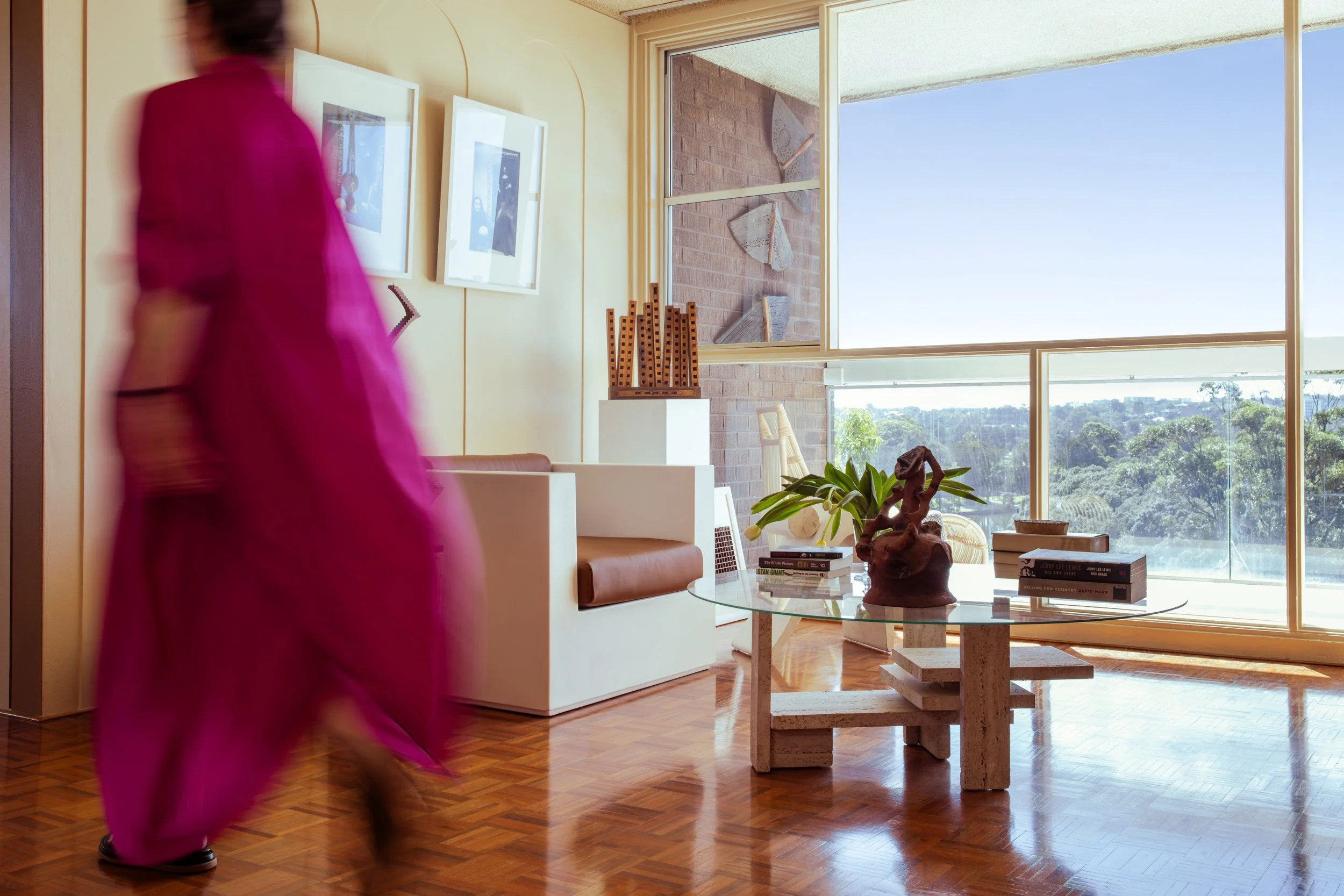
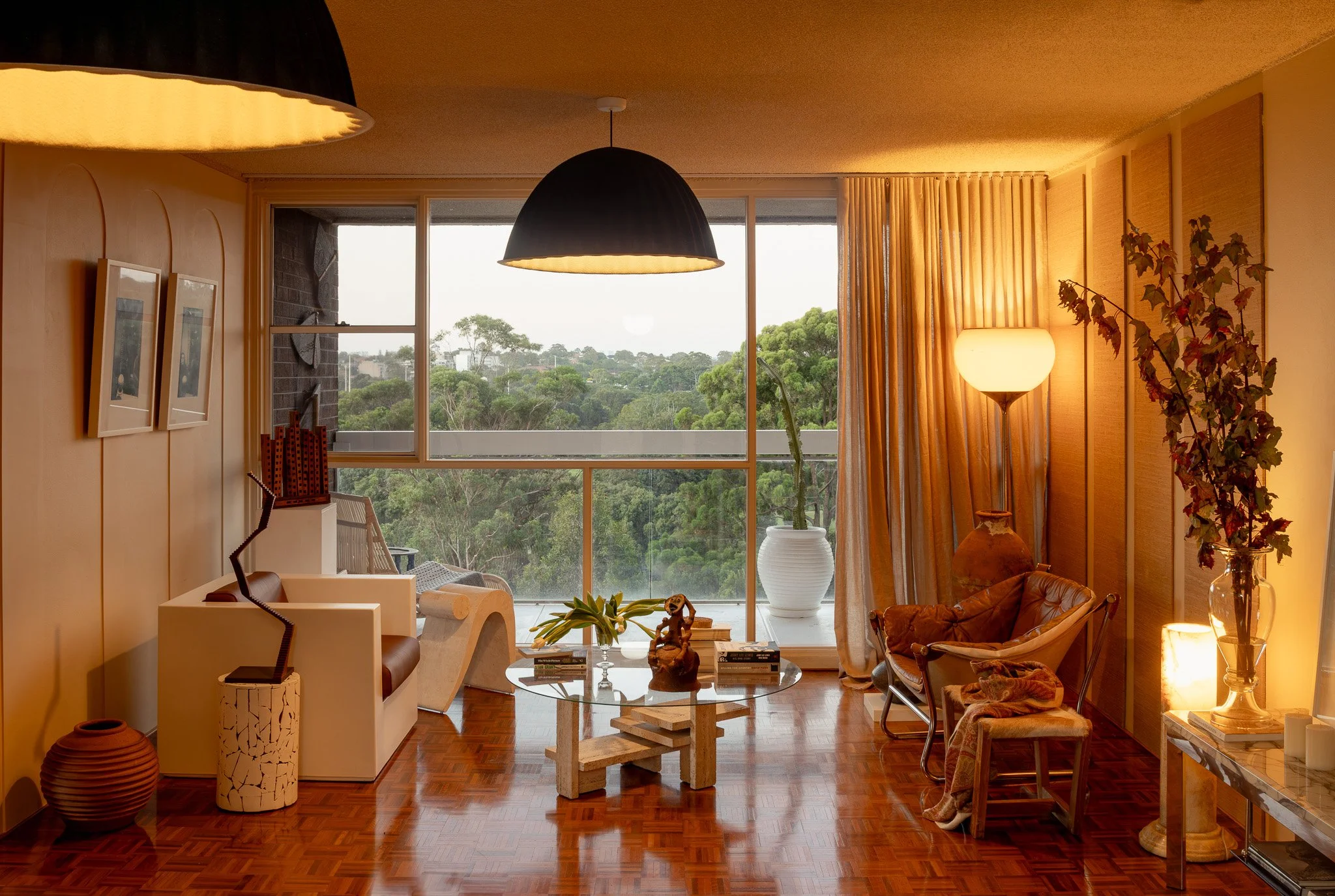
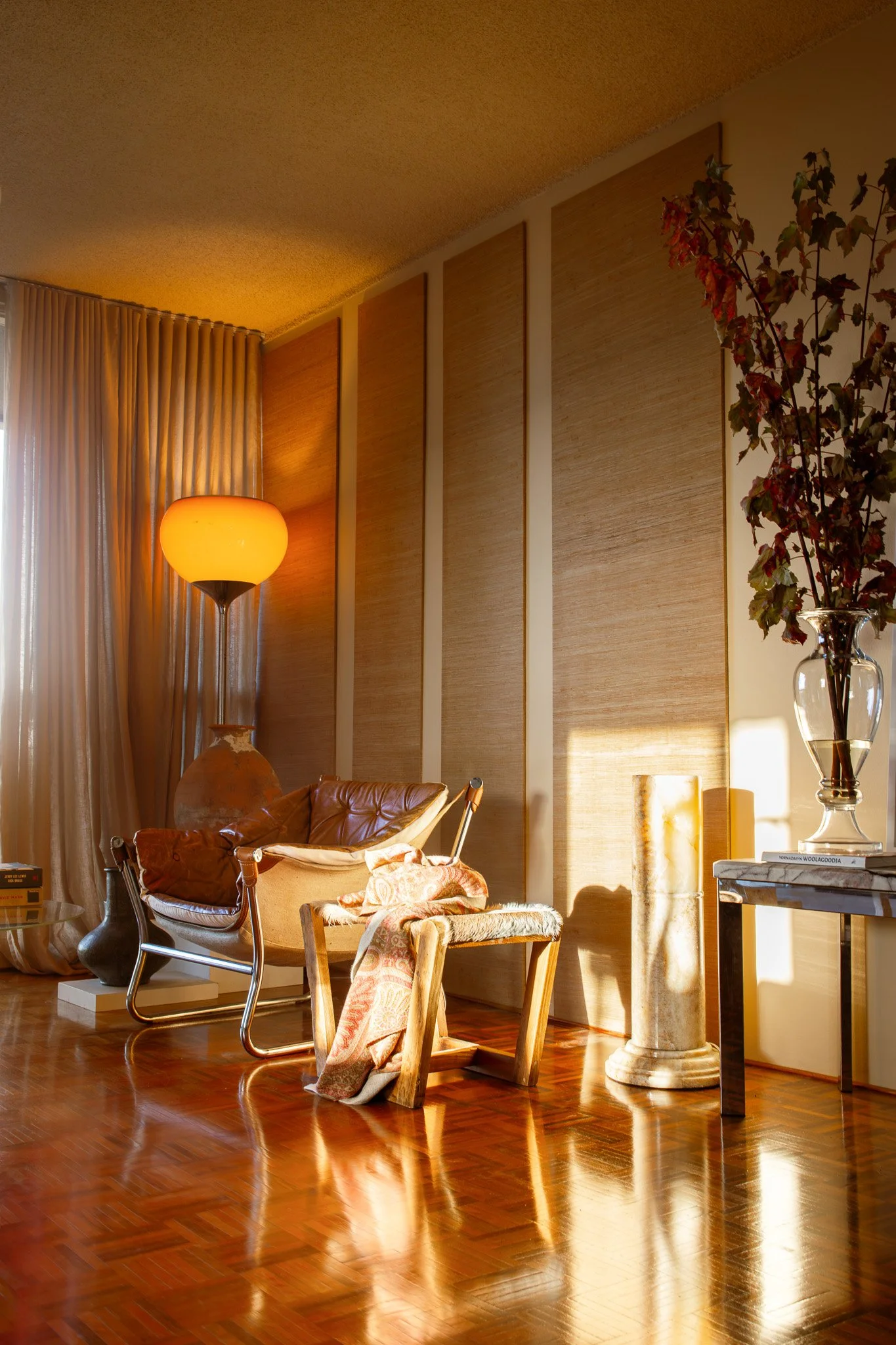
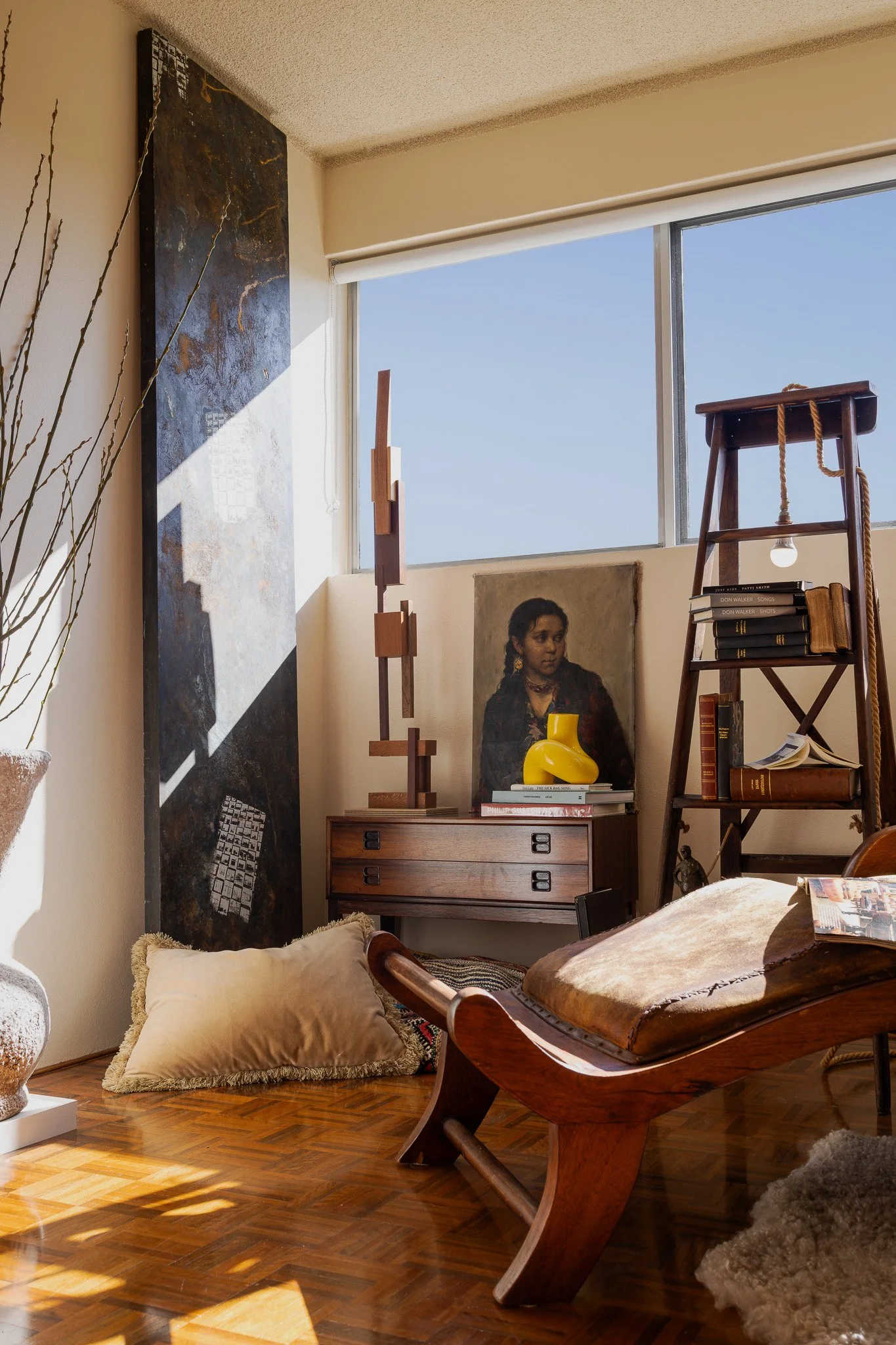
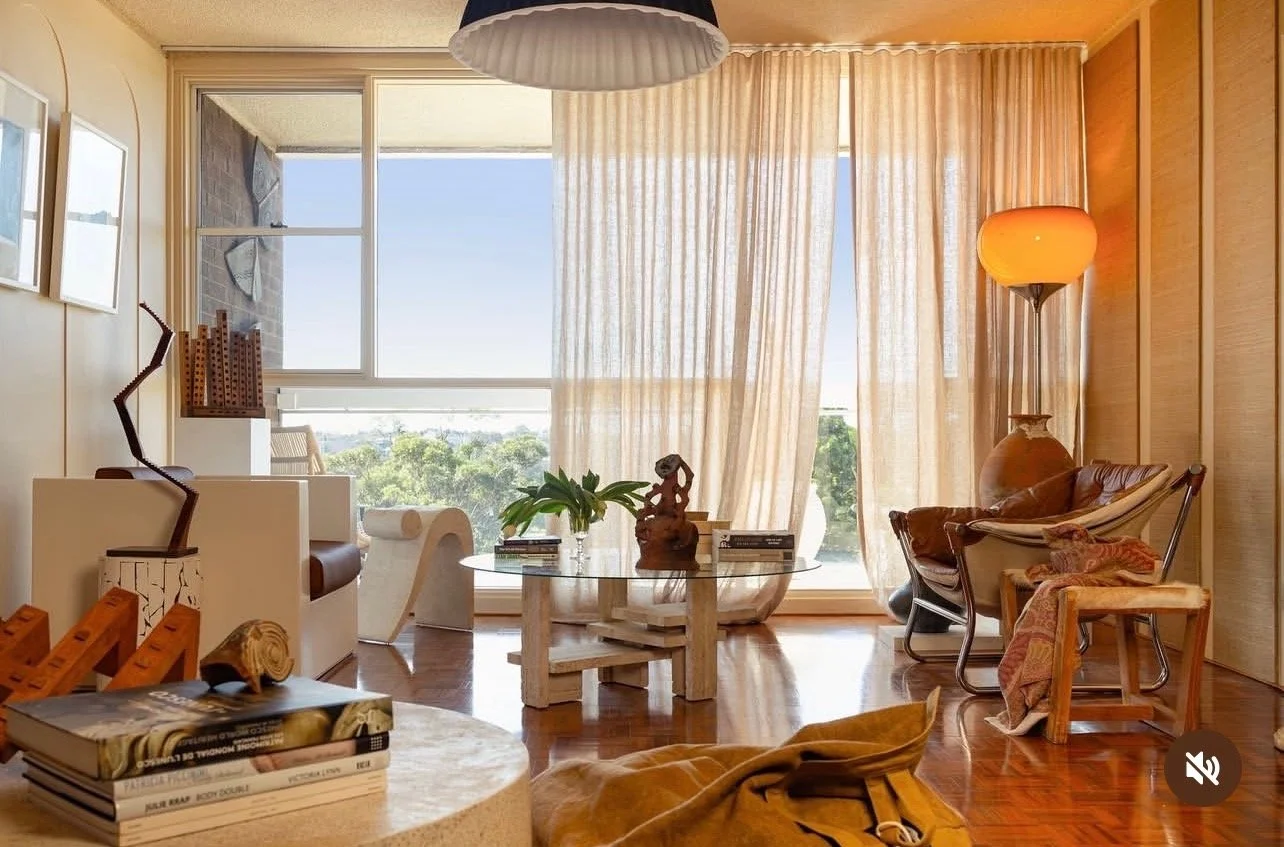
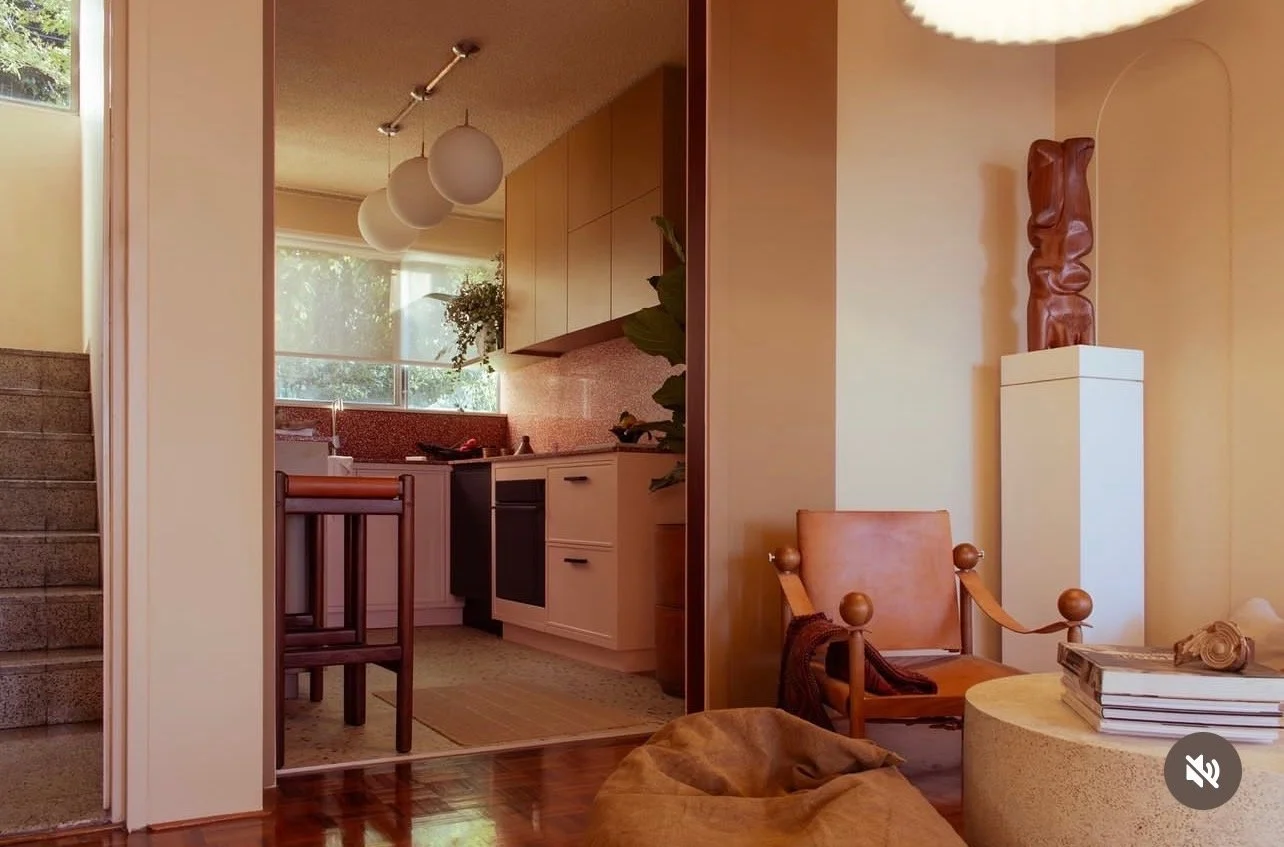
Set on the river’s edge in Sydney, Australia, Riverside is less a renovation and more a restoration of values to slow down, to reuse with intent, and to see architecture not just as shelter, but as memory, rhythm, and ethics in practice.
Inspired by the enduring influence of Harry Seidler, I approached the project with both reverence and resistance: reverence for modernism’s spatial purity, and resistance to the excesses of newness for newness’s sake. My vision was to create a home that felt modern without being manufactured, design forward yet low impact.
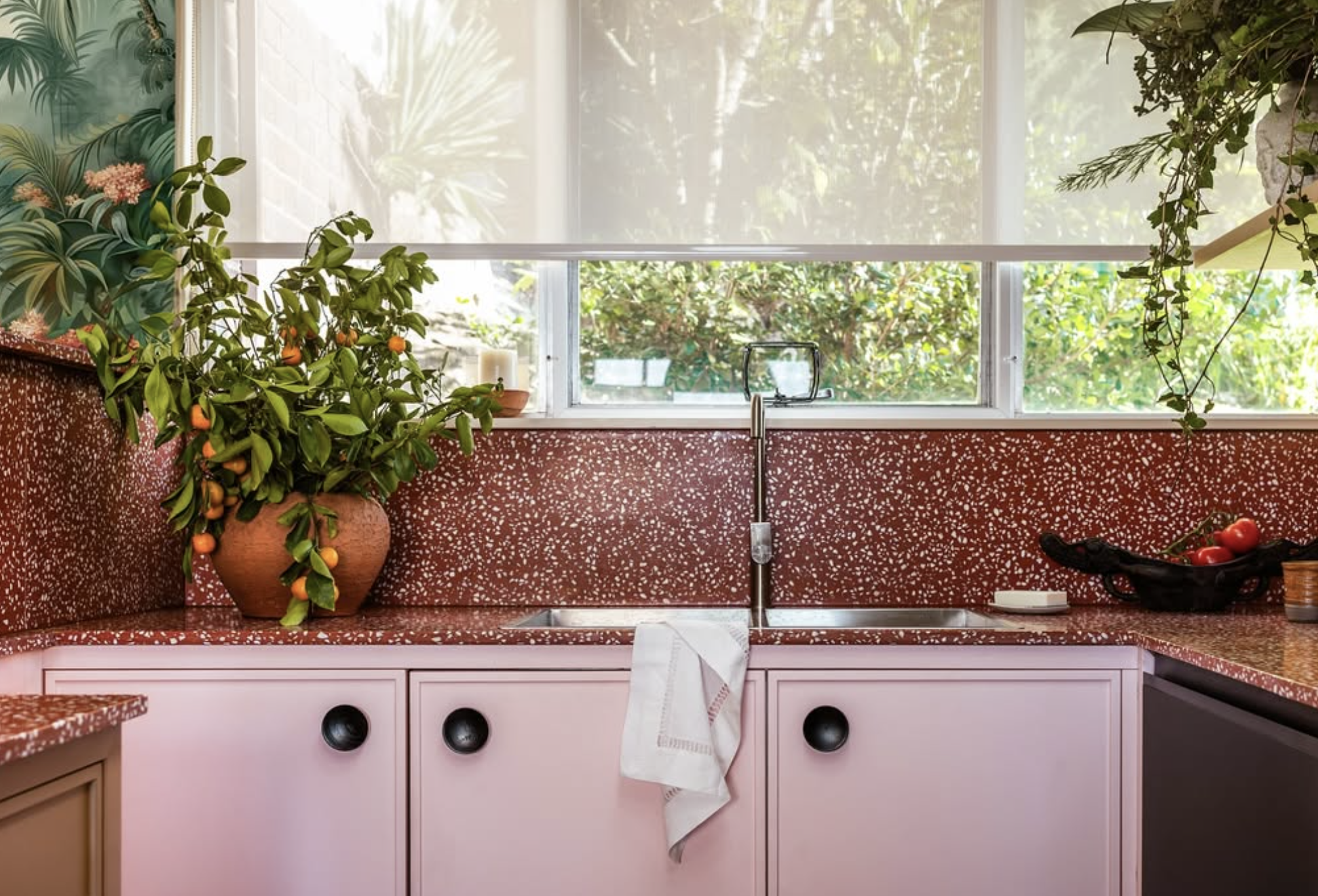
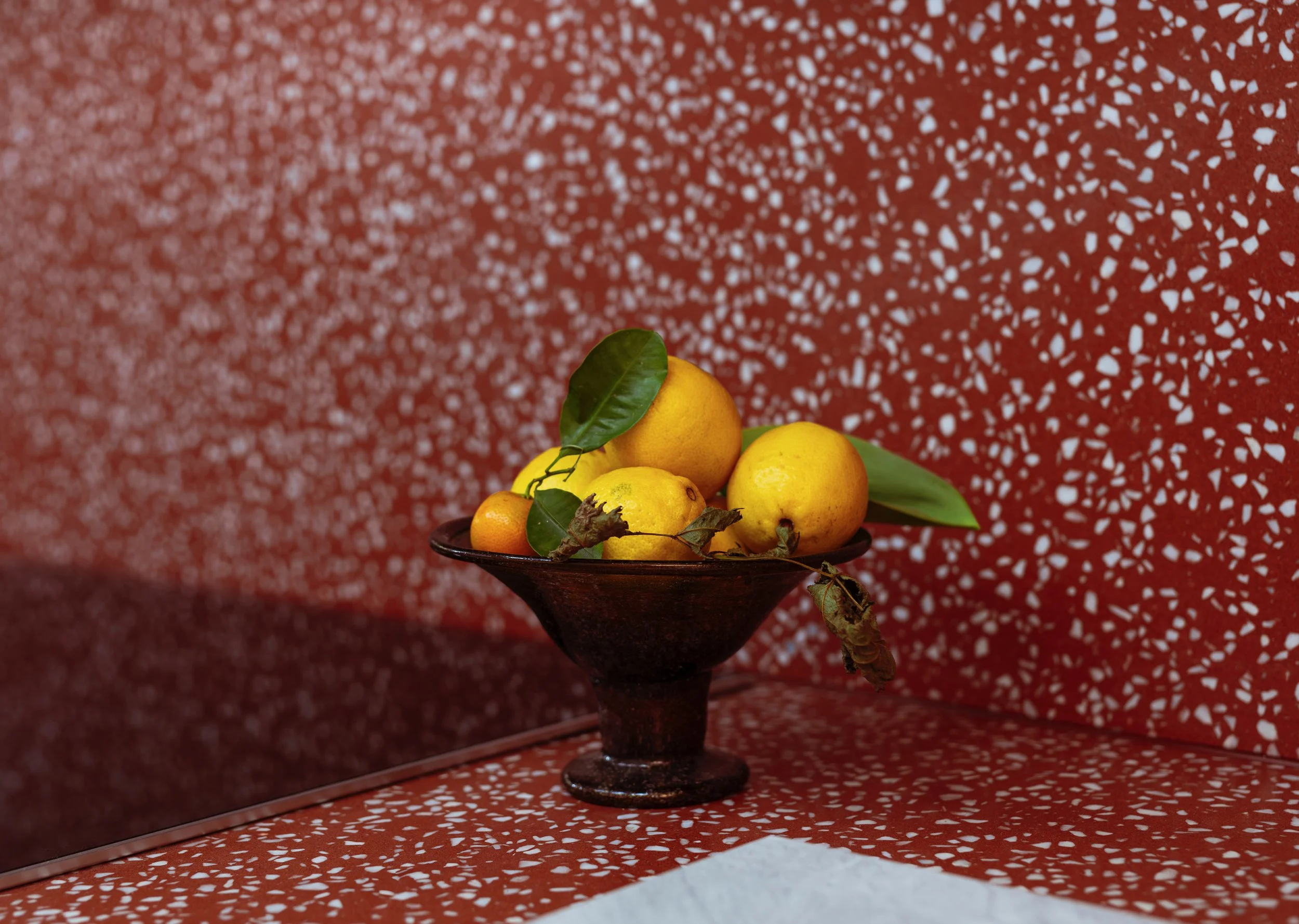
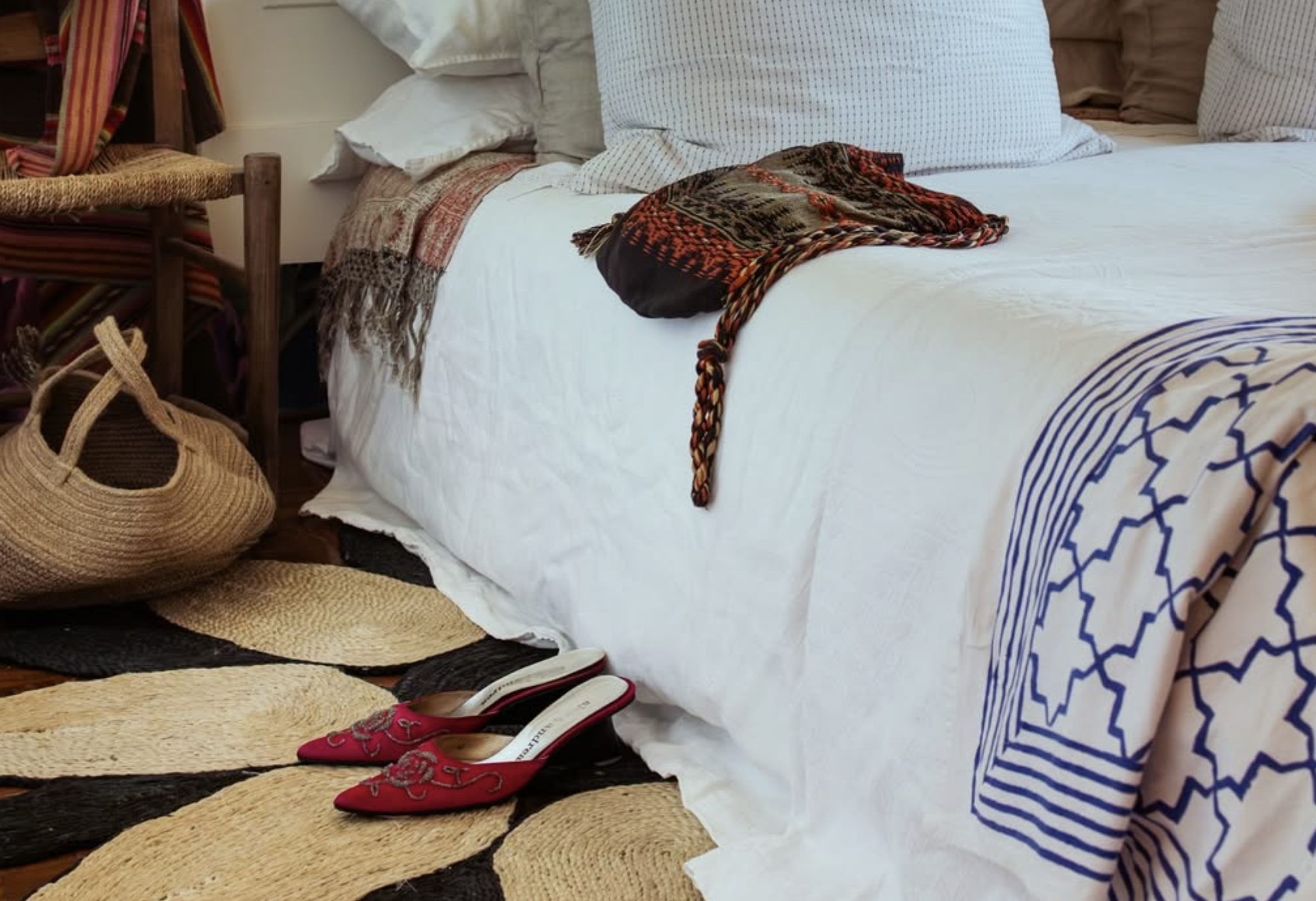
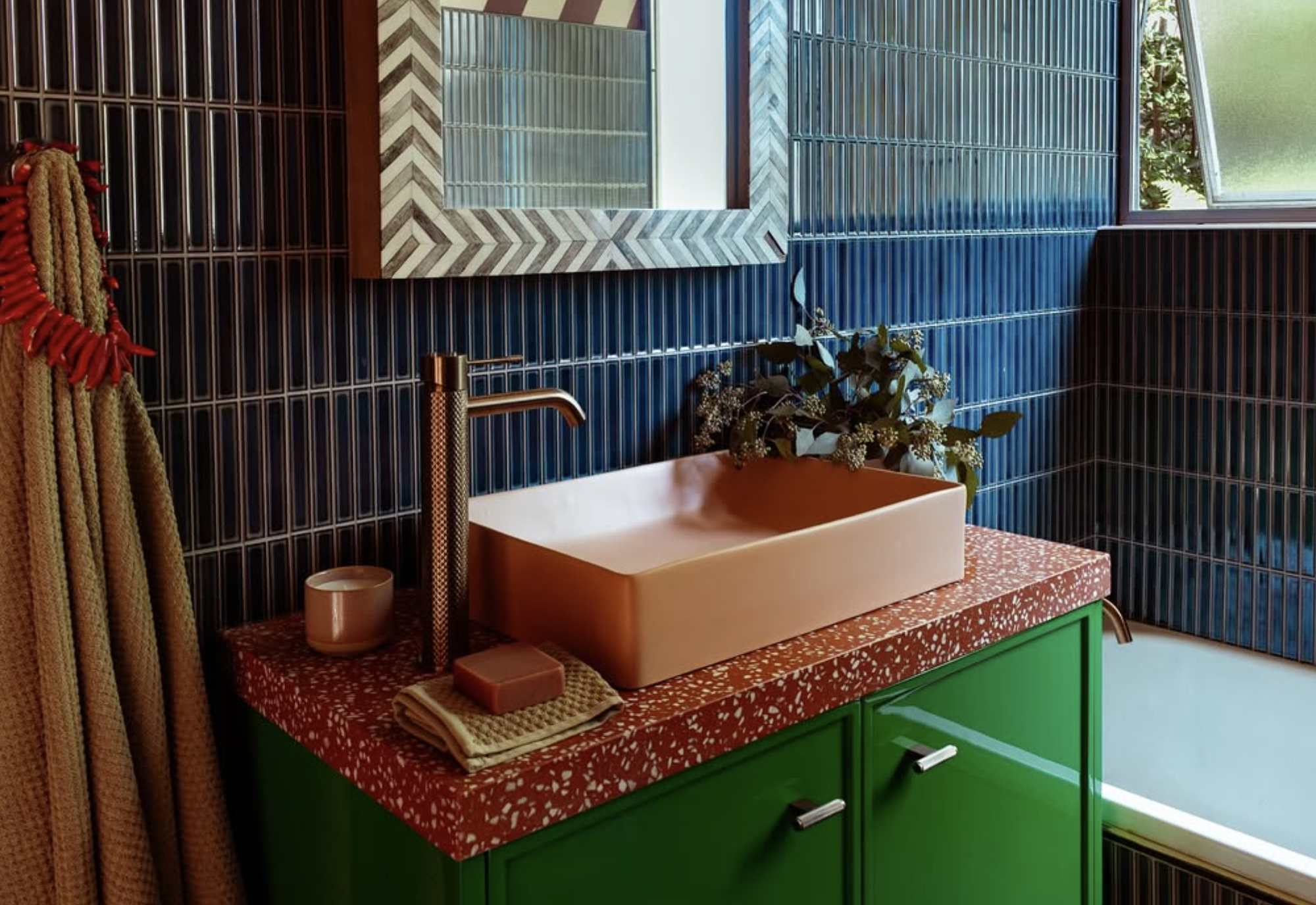
Every object within Riverside has lived another life. The furnishings were sourced through secondhand dealers, salvaged materials, and offcuts from Sydney based workshops. Each piece was either repurposed, restored, or reimagined in collaboration with local artisans. Nothing was bought new, a challenge that opened creative doors.
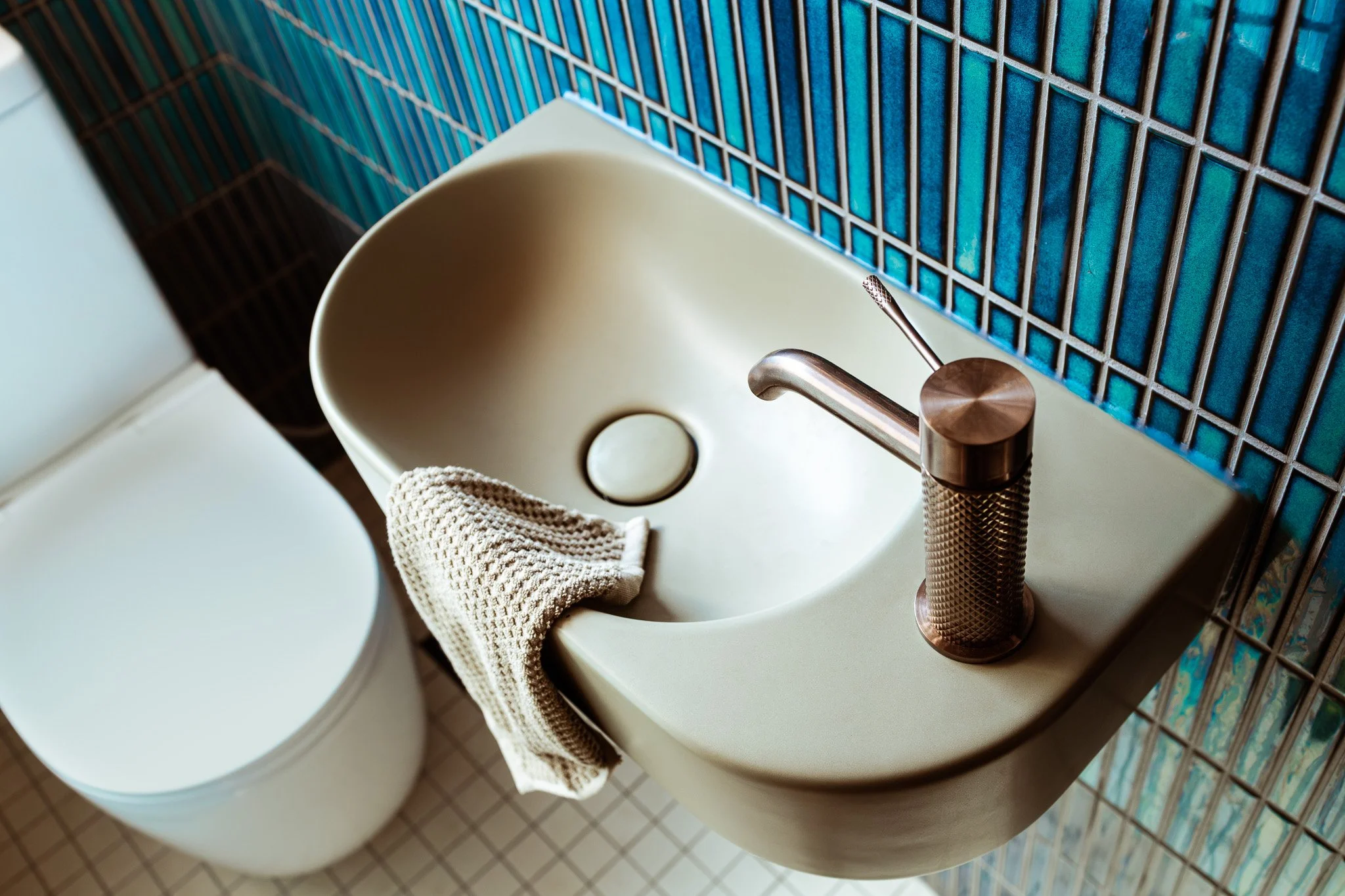
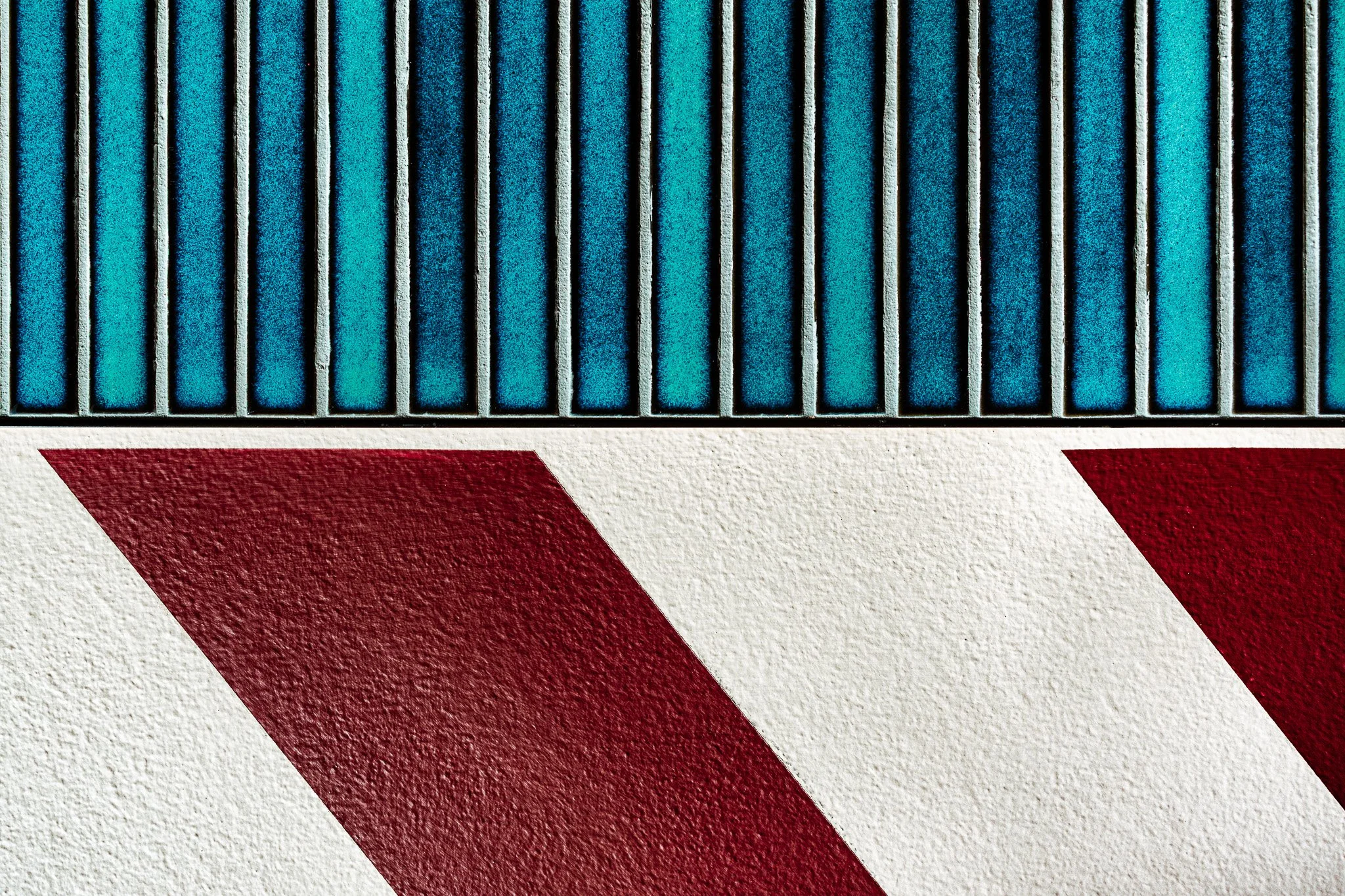
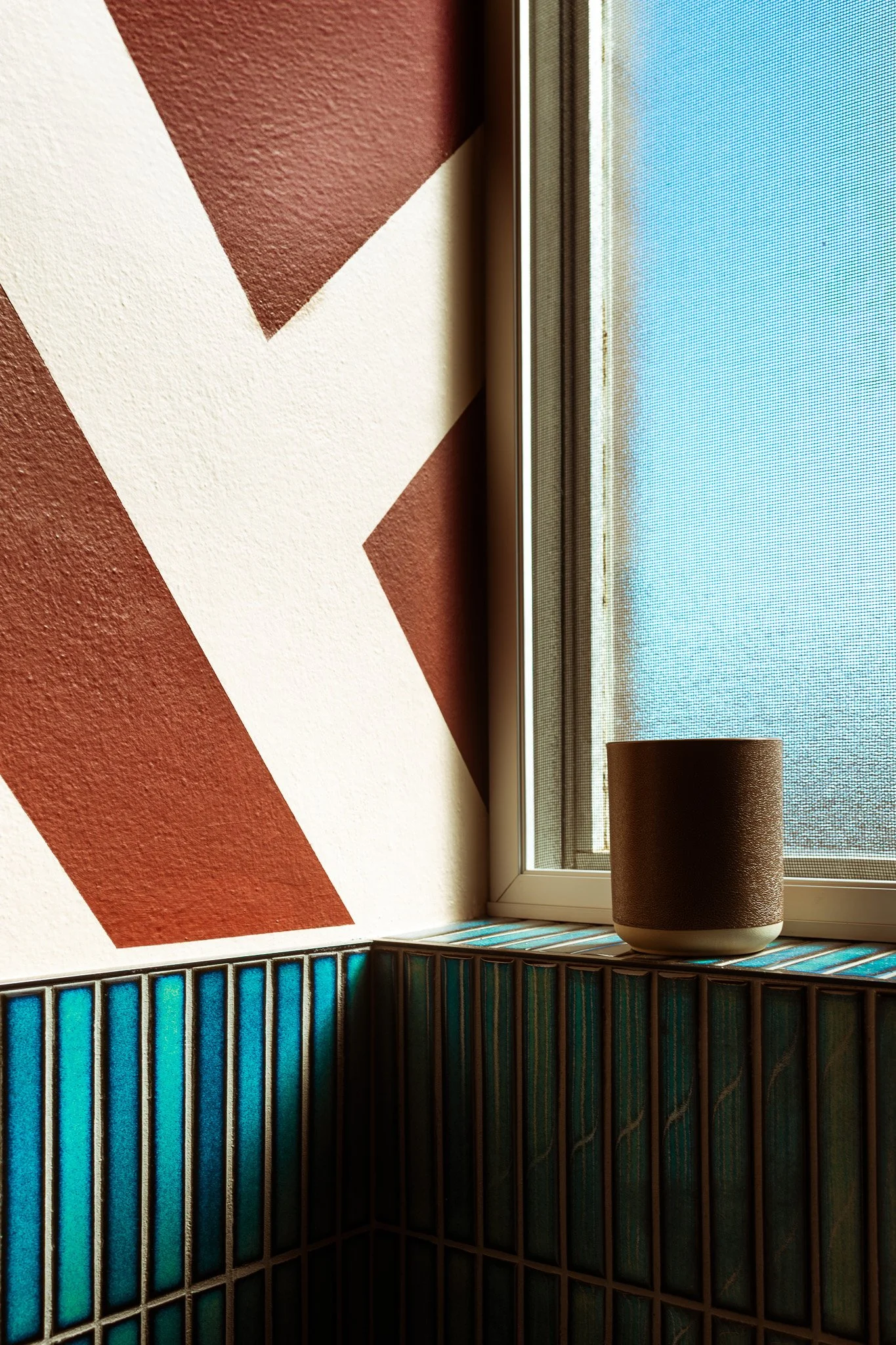
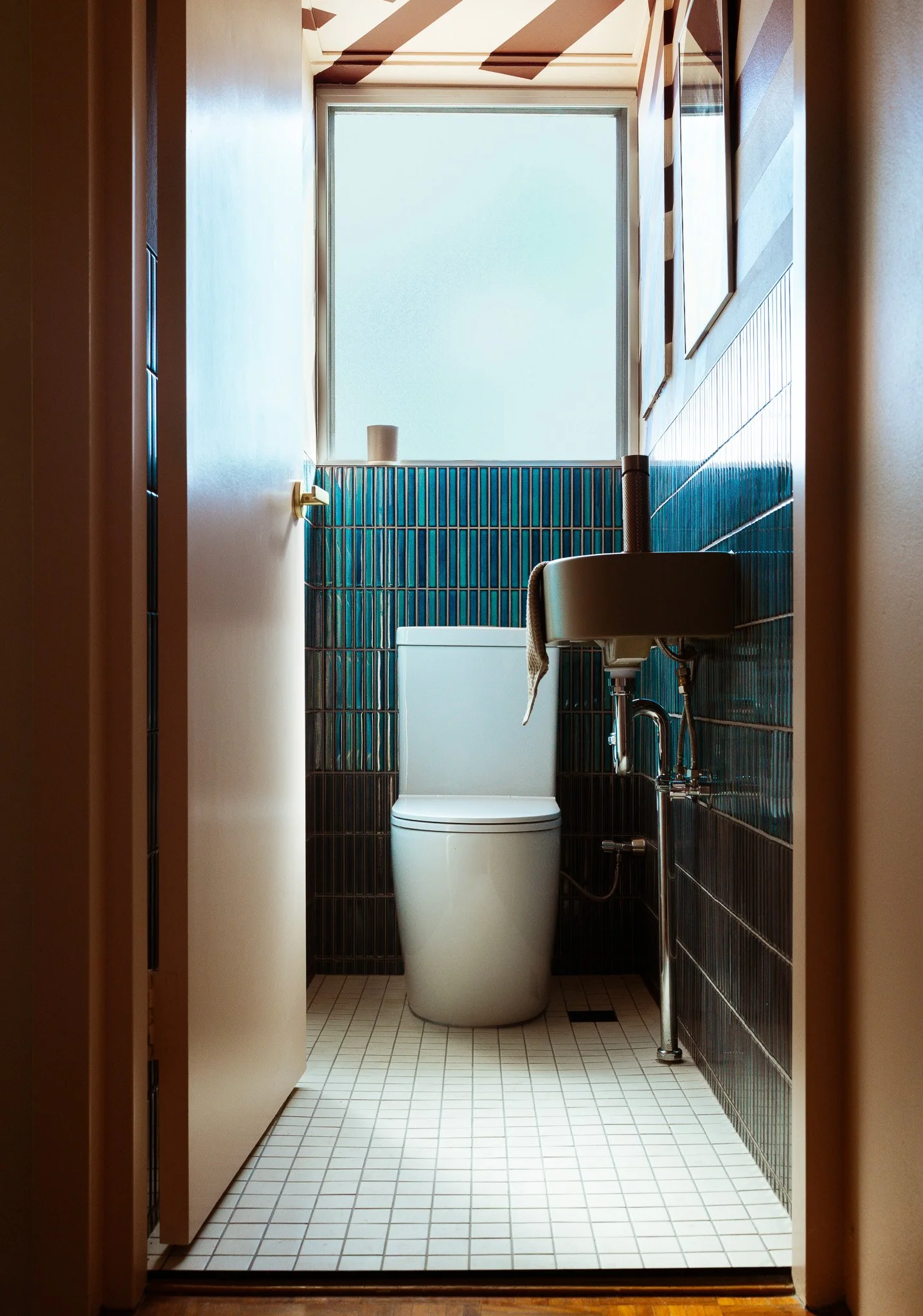
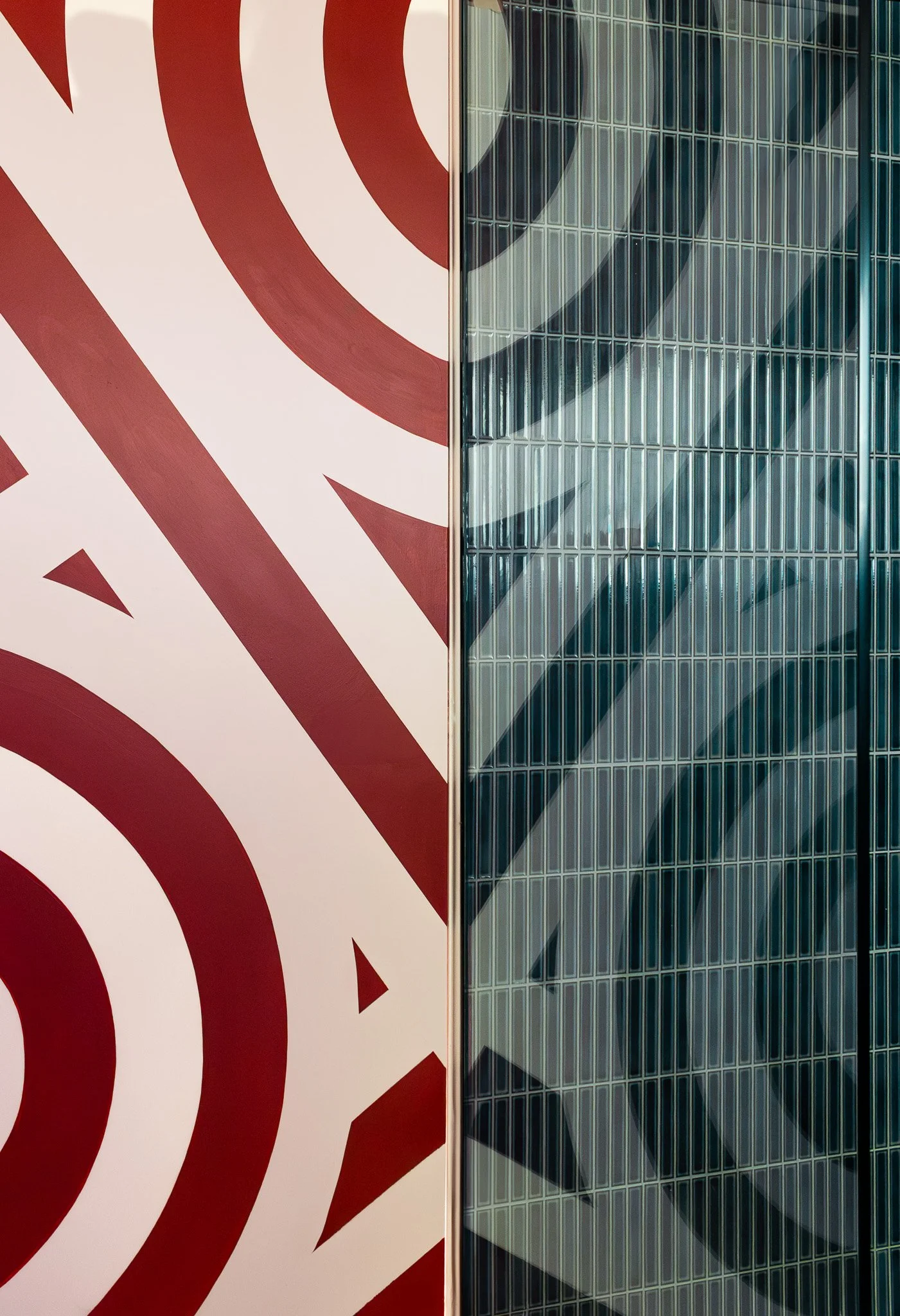
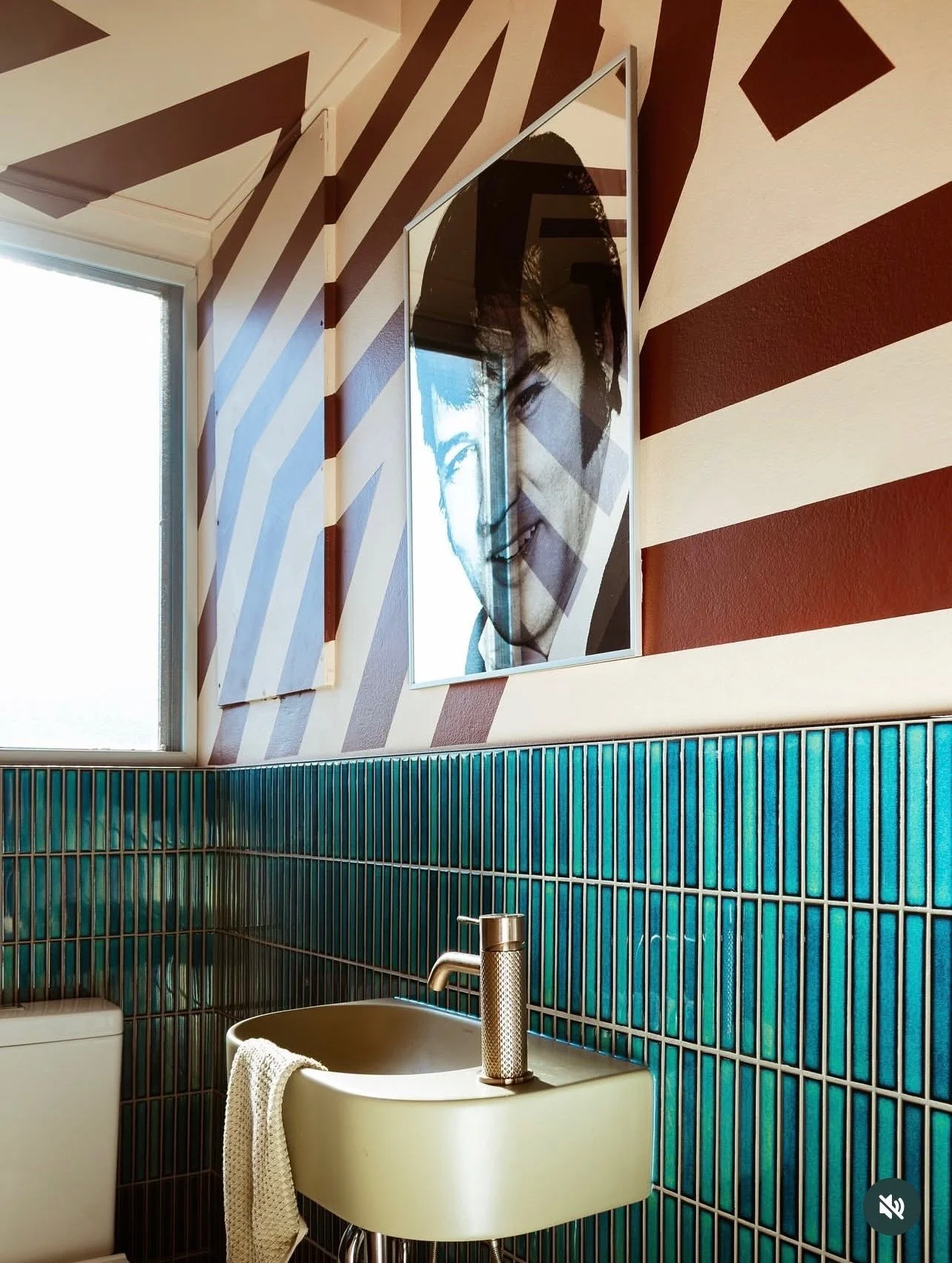
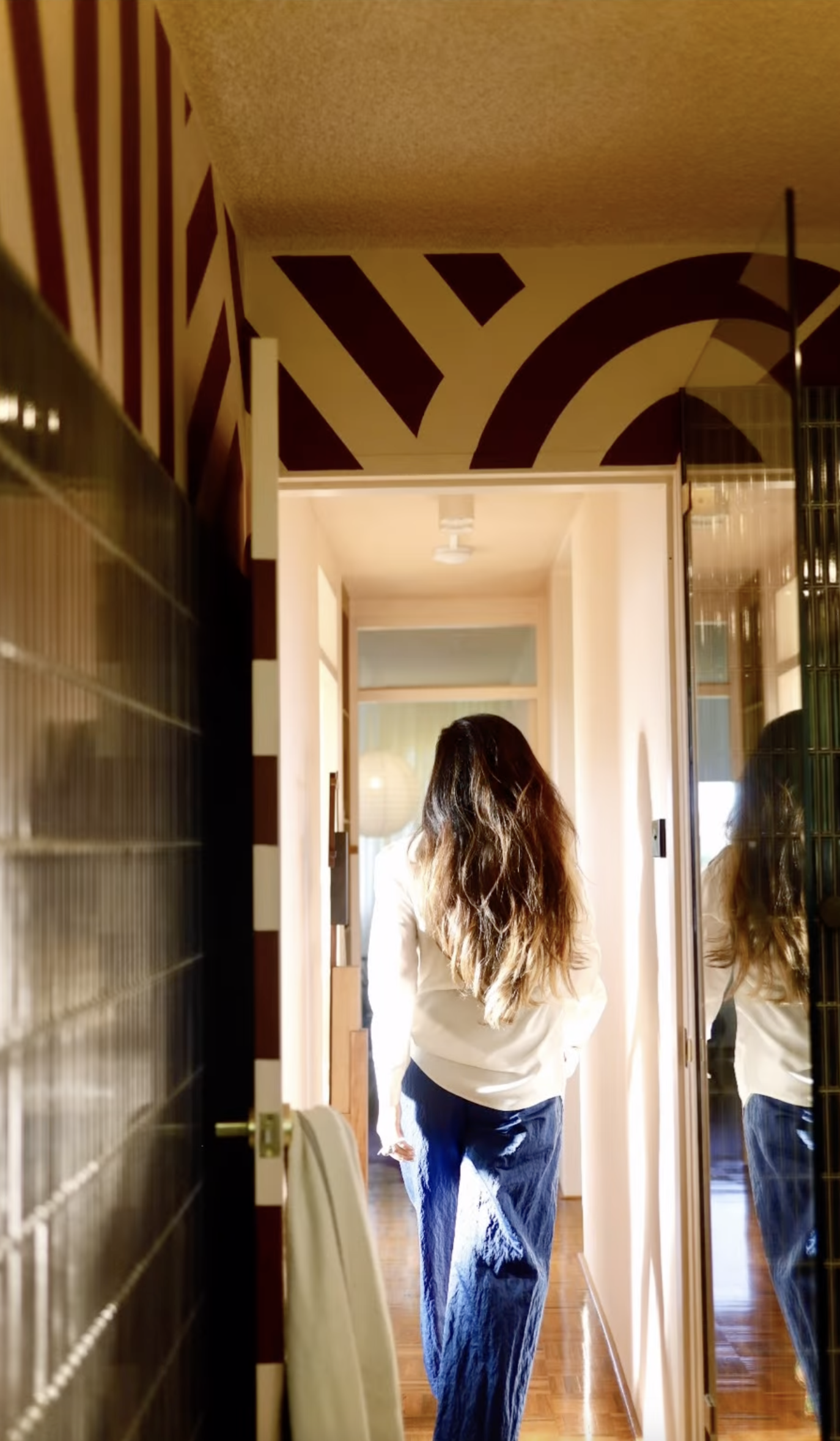
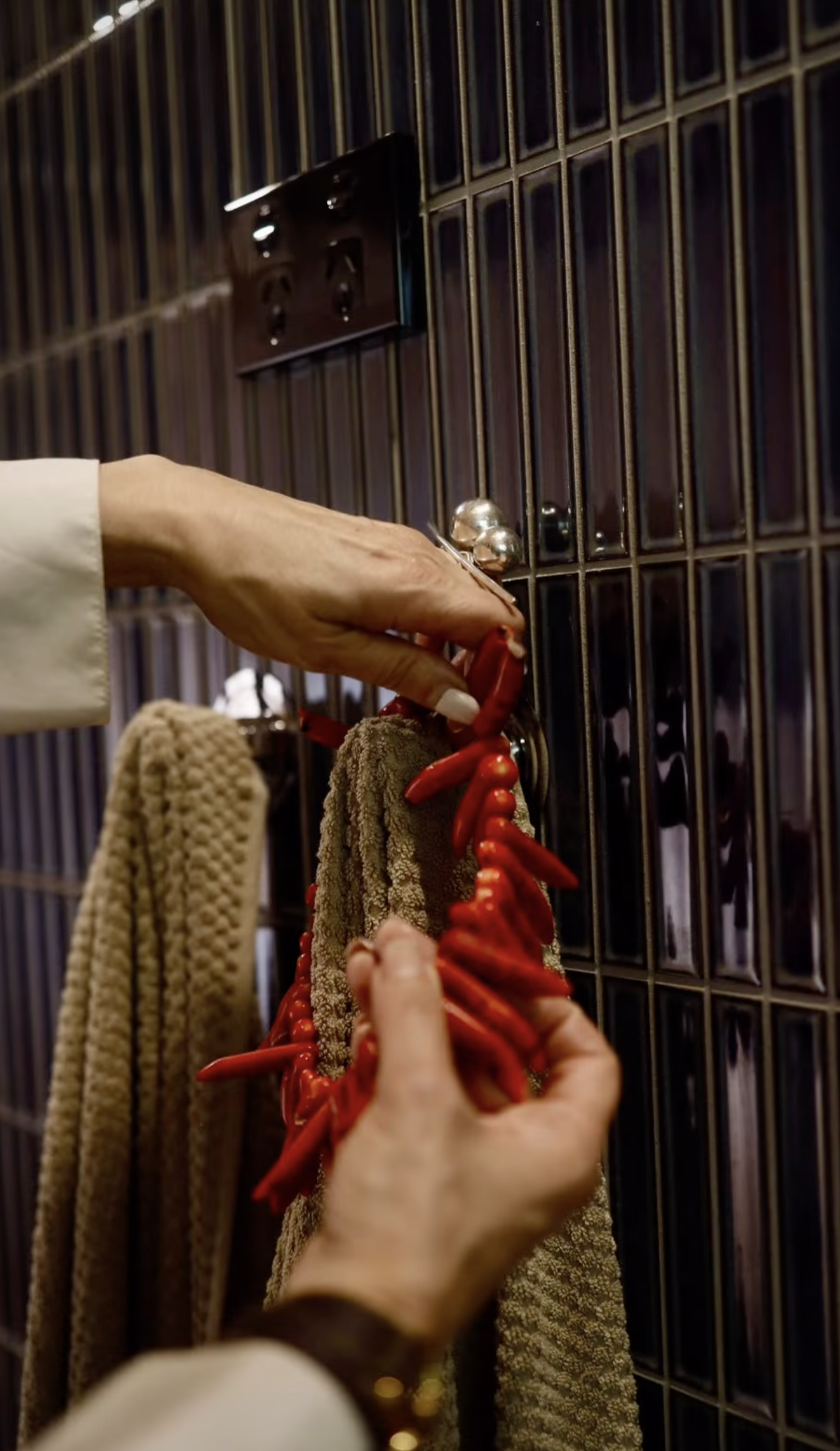
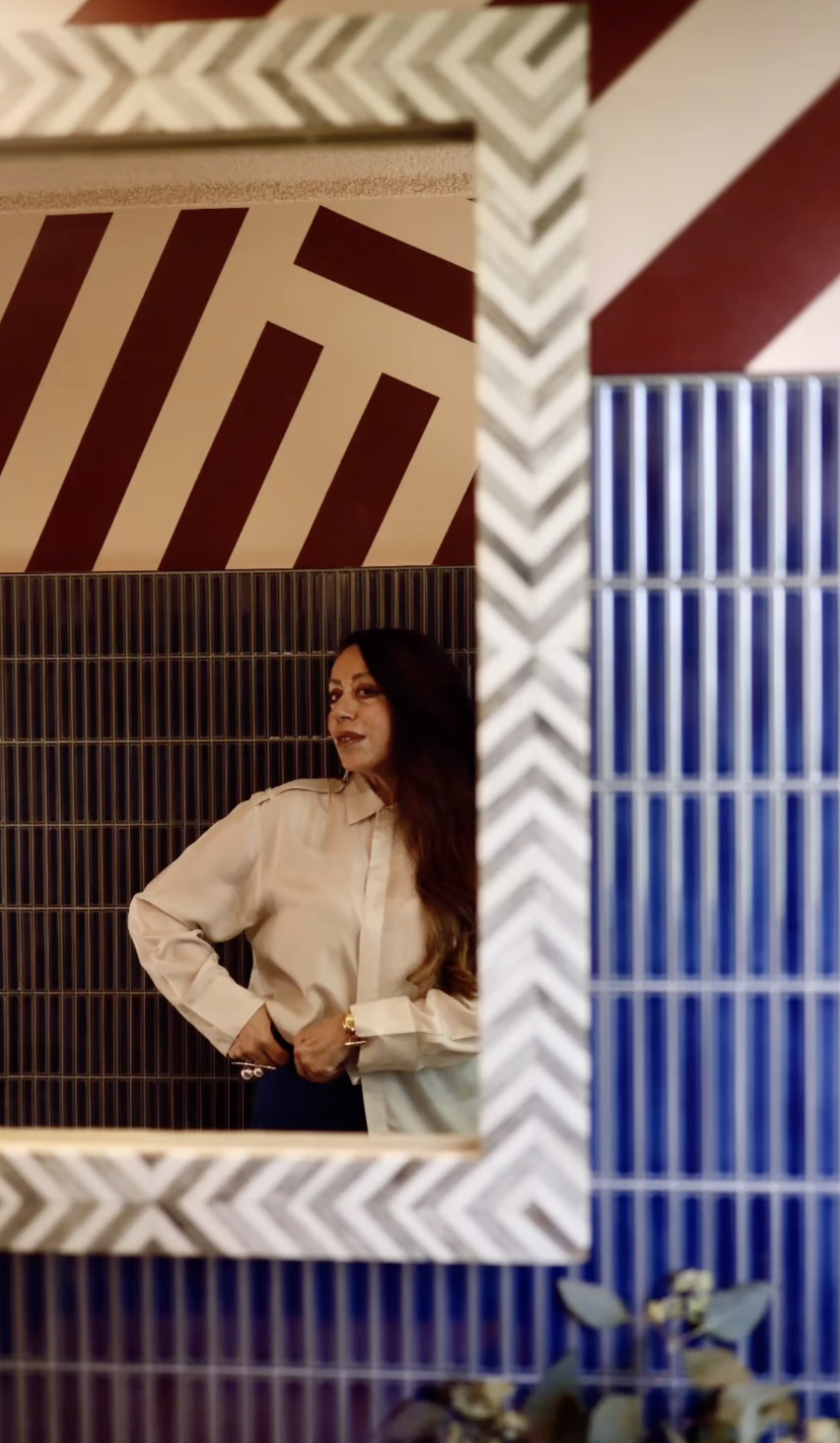
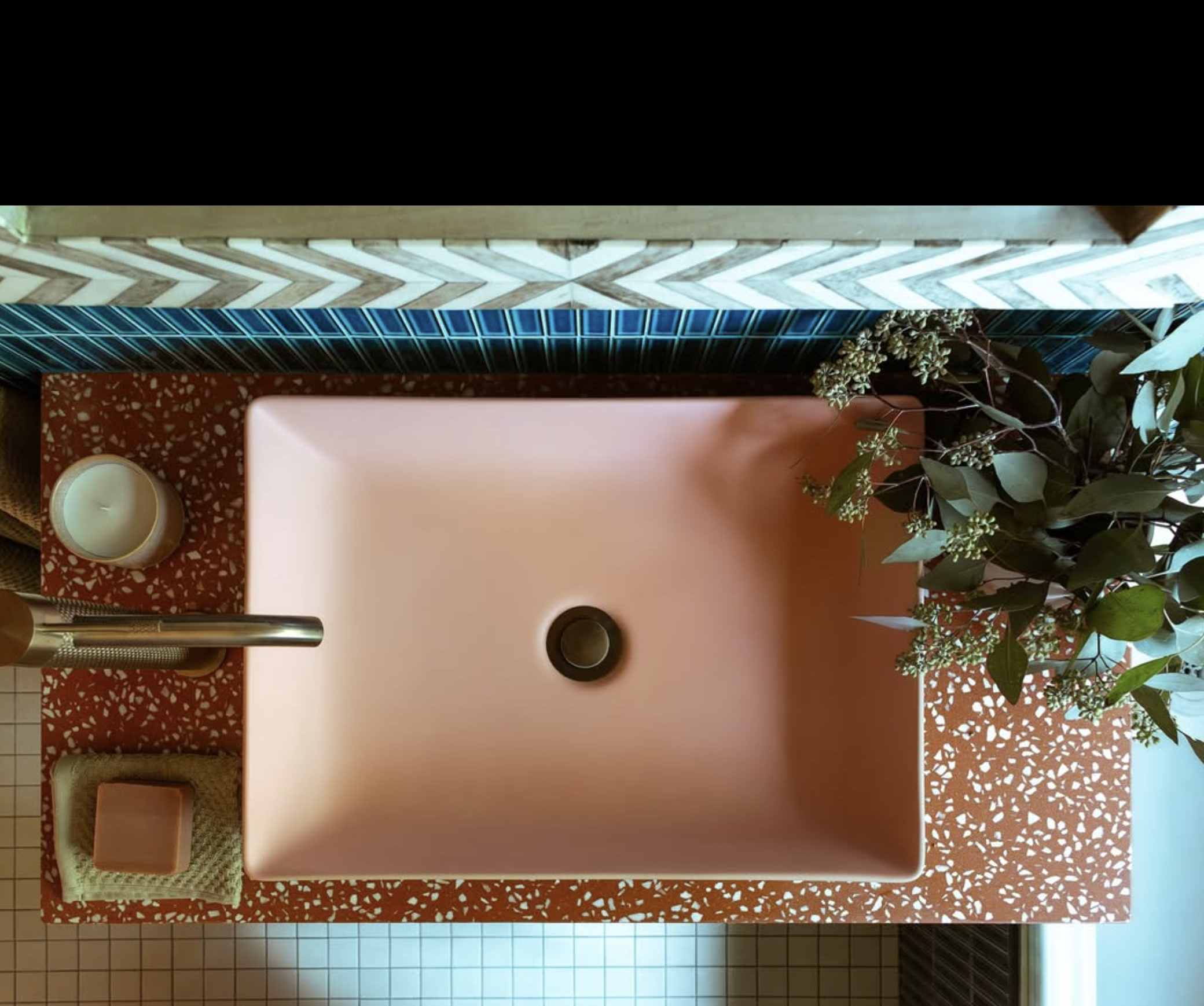
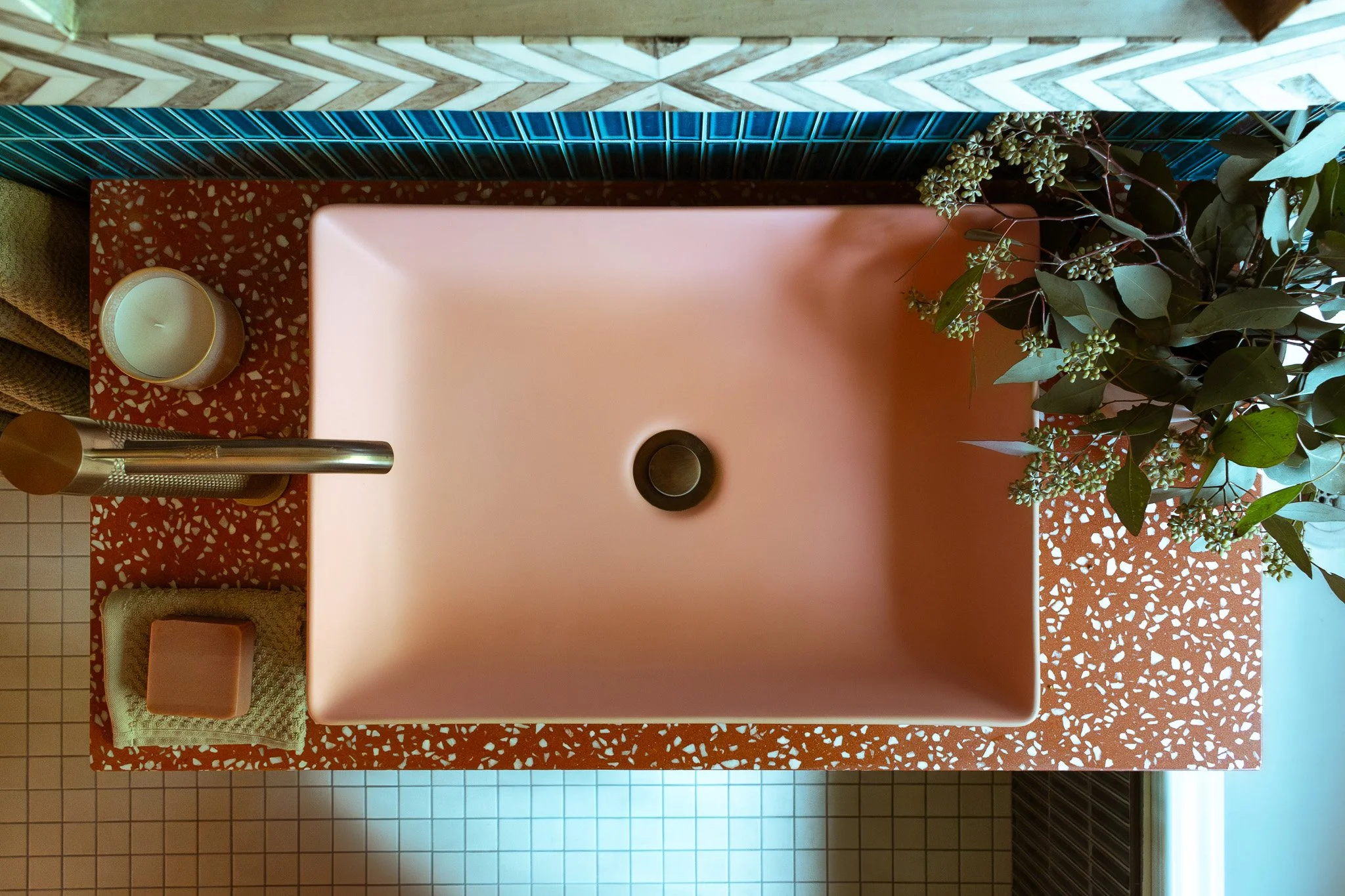
The home draws on a cross pollination of aesthetics: the rationality of European modernism, the improvisation of Australian climate conscious design, and a touch of 20th-century visual language, most notably in the bathroom a capsule space wrapped in dazzle camouflage, the naval graphic technique once used to confuse and protect warships. Here, it confuses scale and reorients the eye a small act of visual rebellion.
Elvis Presley’s 1968 comeback long embedded in my childhood memory also offered a sense of confidence that subtly informed the space.The final gesture is a vintage mirror sourced from the Mullumbimby markets, etched with Elvis’s profile. A simple, nostalgic note resting the project in memory and identity.
Riverside is a dialogue between past and present, function and poetry, consumption and care. In a time when interiors can often feel overproduced and algorithmic, I wanted to return to something elemental not because it’s perfect, but because it’s lived in.