TREEHOUSE PROJECT
INNER WEST, SYDNEY
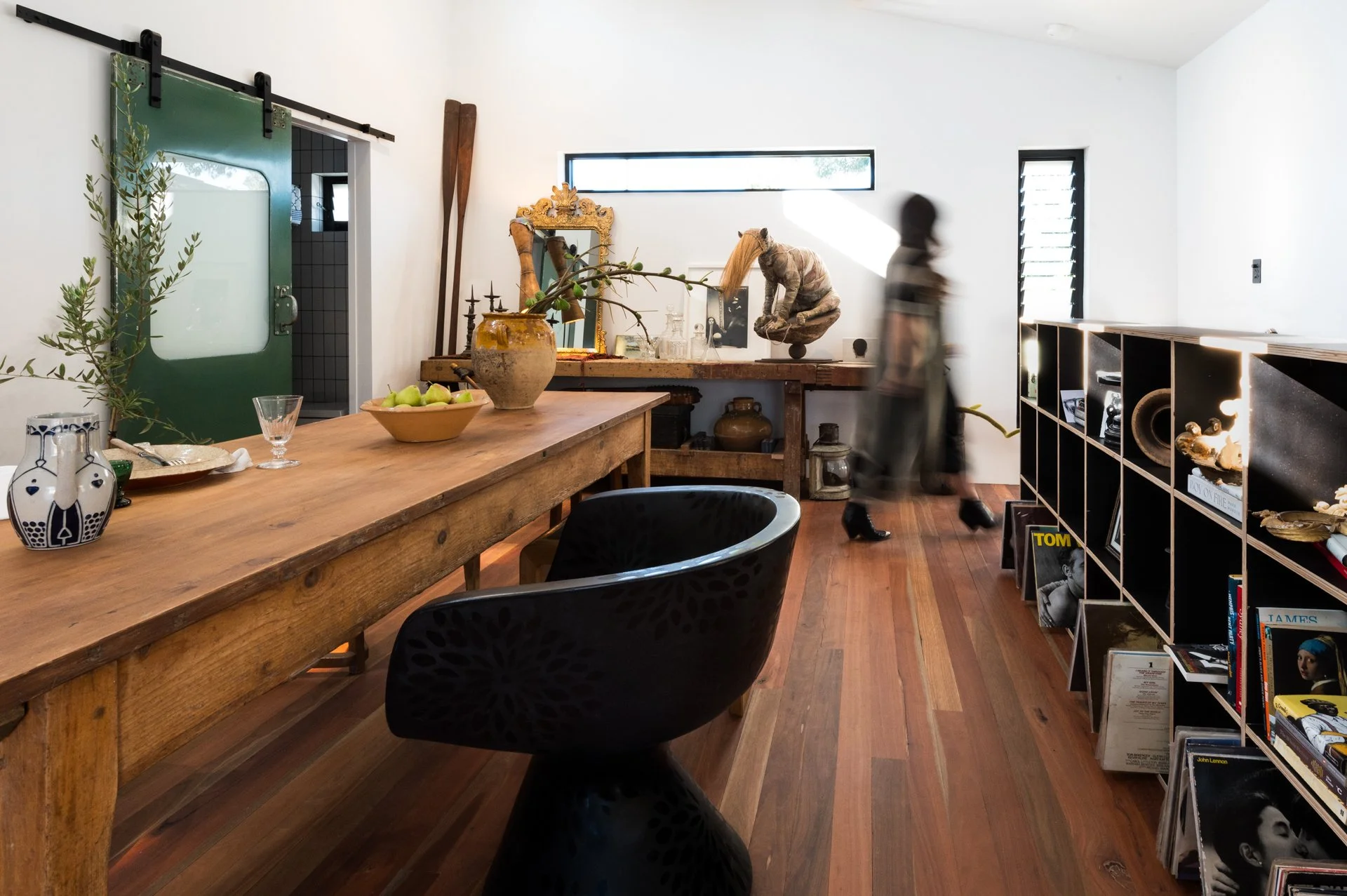
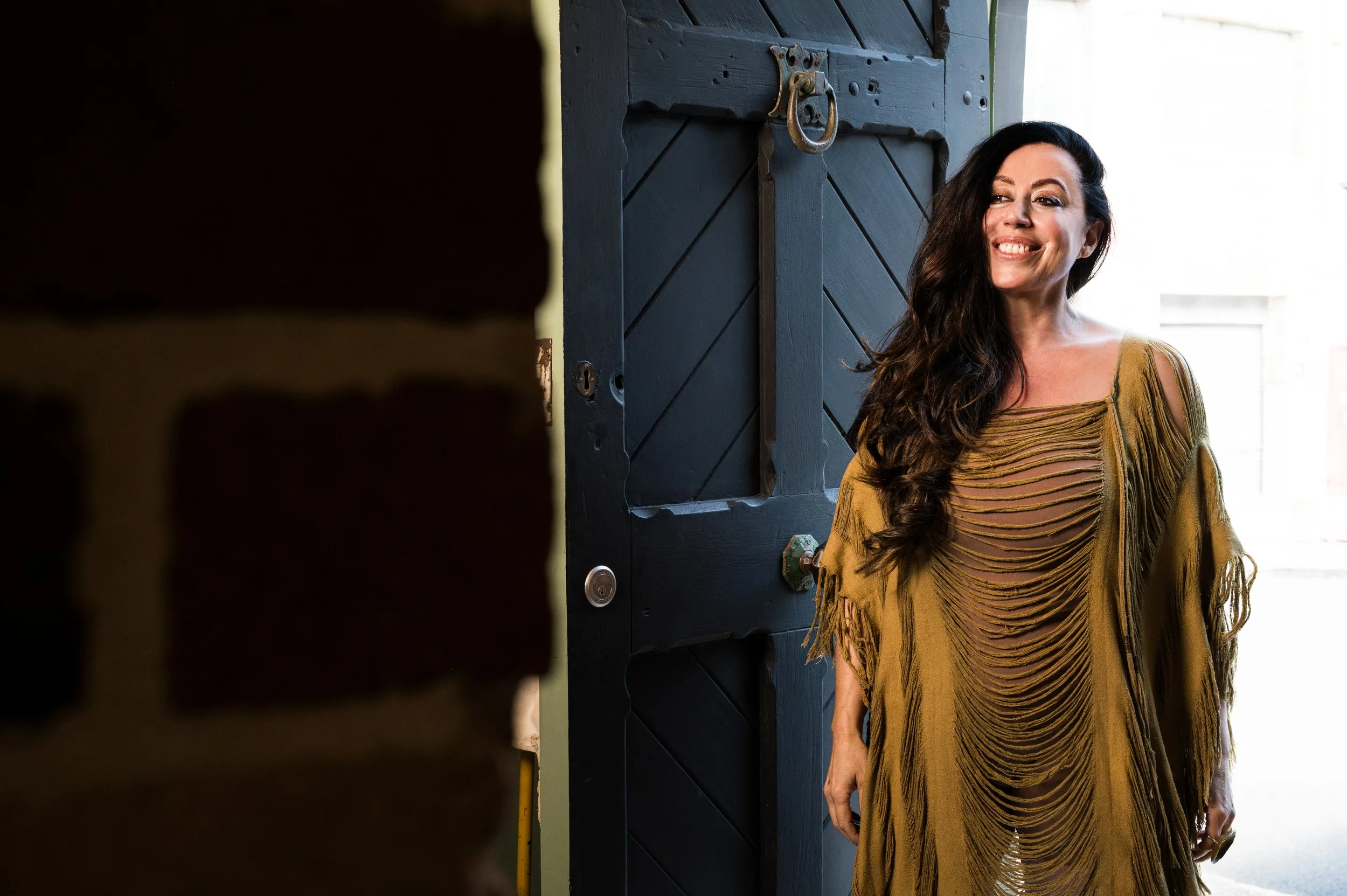
The Treehouse began with a feeling, not a plan. Before there were drawings, there were objects, the first being a set of 1930s train doors I found at Blackheath Antiques in the Blue Mountains. I bought them instinctively, without knowing where they would live, and in many ways they became the beginning of everything.
Set on the footprint of a former double garage, the project grew into a two-storey, open-plan structure that mirrors the industrial language of Precinct 75 opposite. A sawtooth roofline, recycled brickwork, and charred timber upper levels reference that heritage, while allowing the building to feel both anchored and quietly distinct.
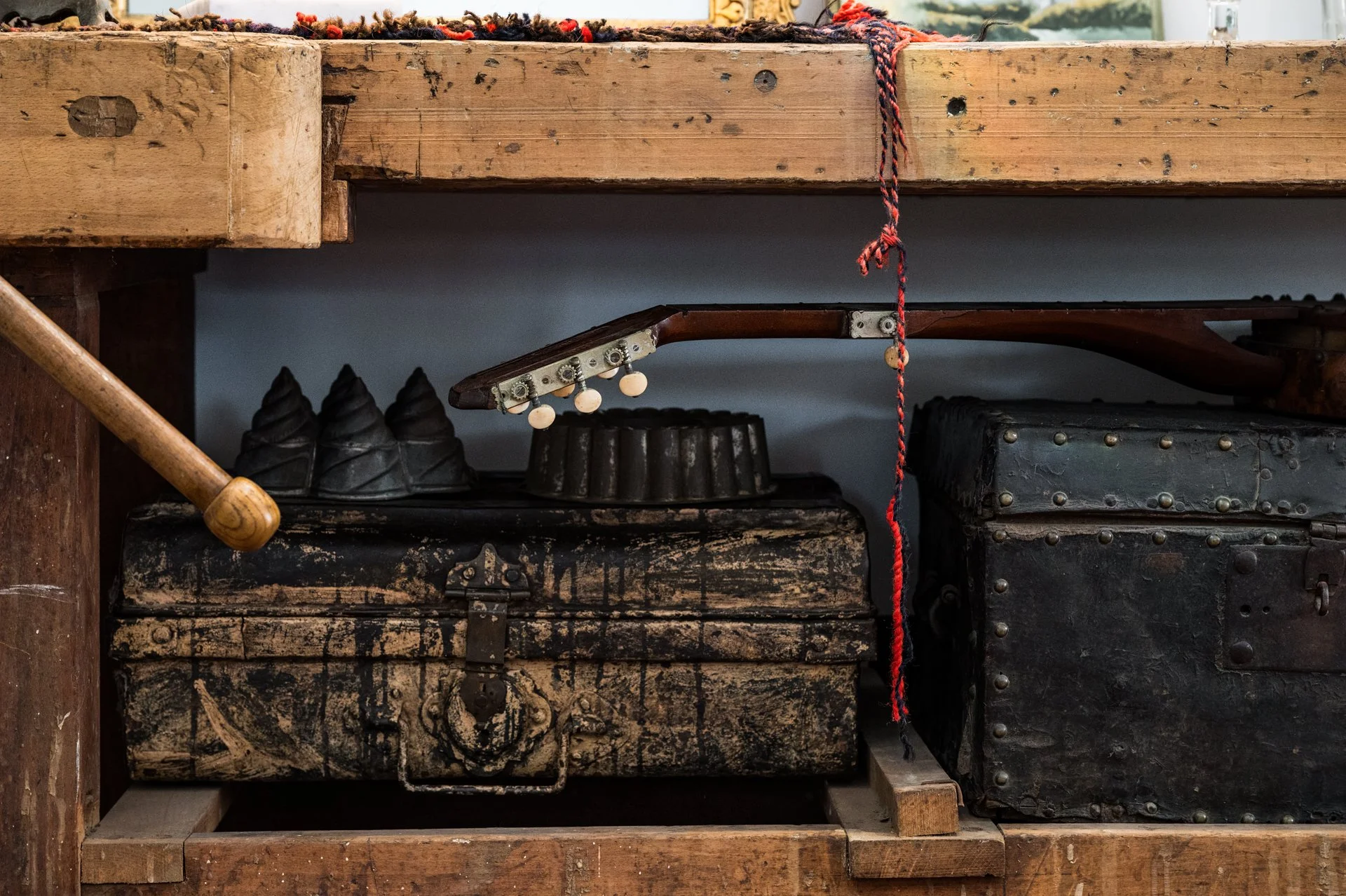
My process is deeply organic. I collect, I store, I wait. Materials sit with me until they form a kind of visual memory, a language that reveals itself over time.
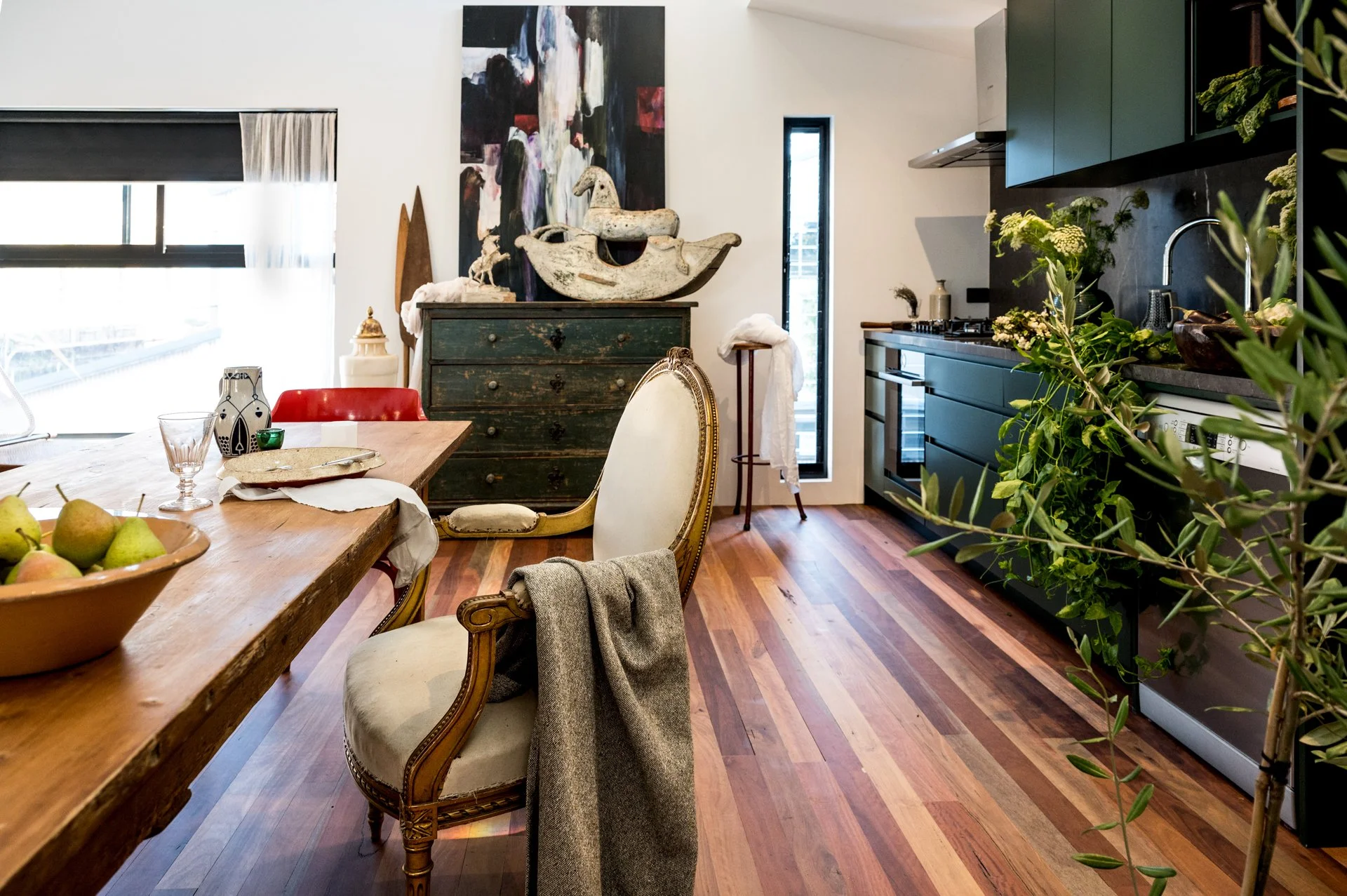
For The Treehouse, I worked closely with Swadlings Timber & Hardware to source unique timber, hand-selecting each floorboard for its tone and imperfection. The result is a surface rich in reds and browns colours often overlooked, but to me essential in creating warmth and a sense of permanence.
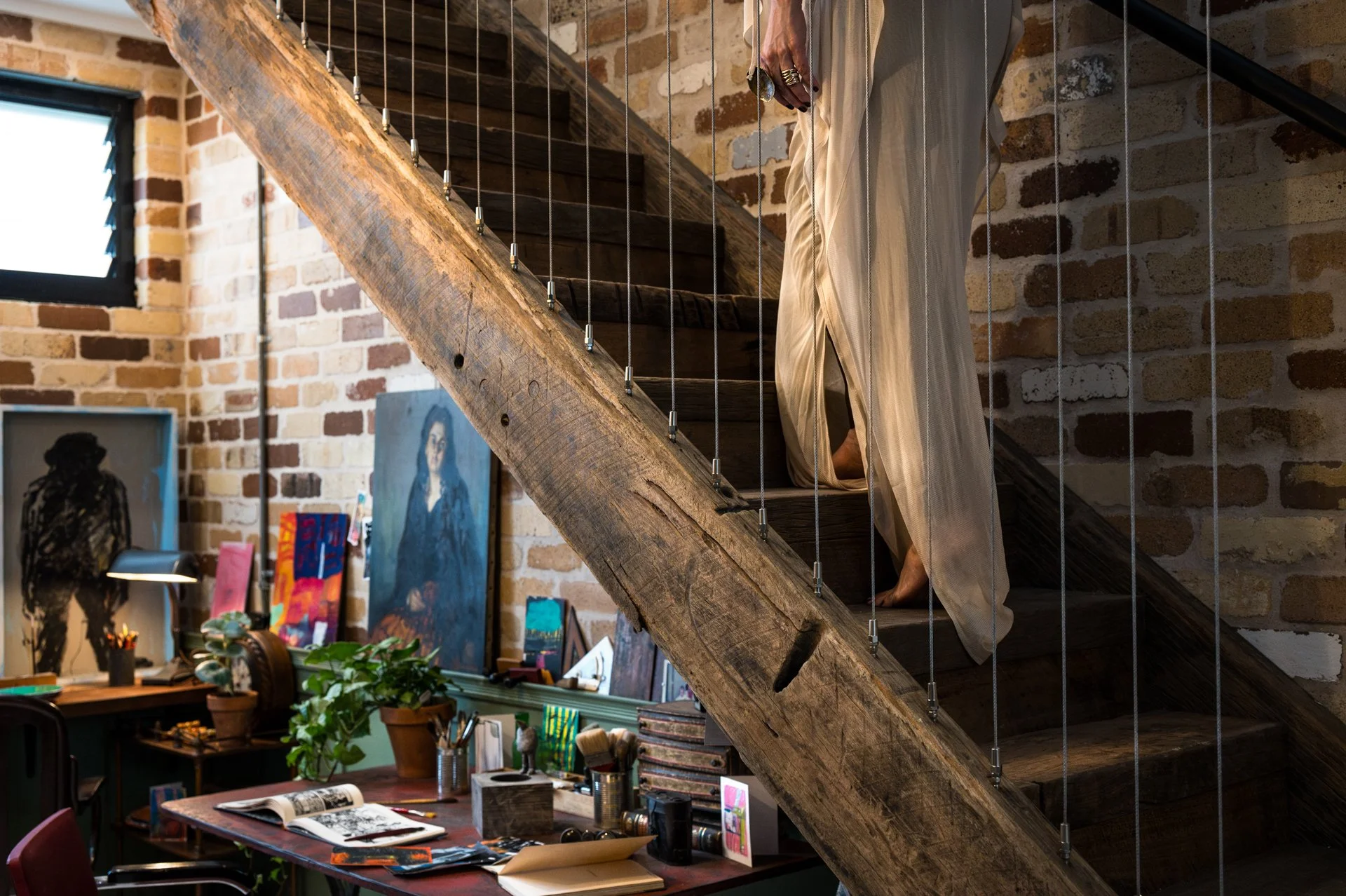
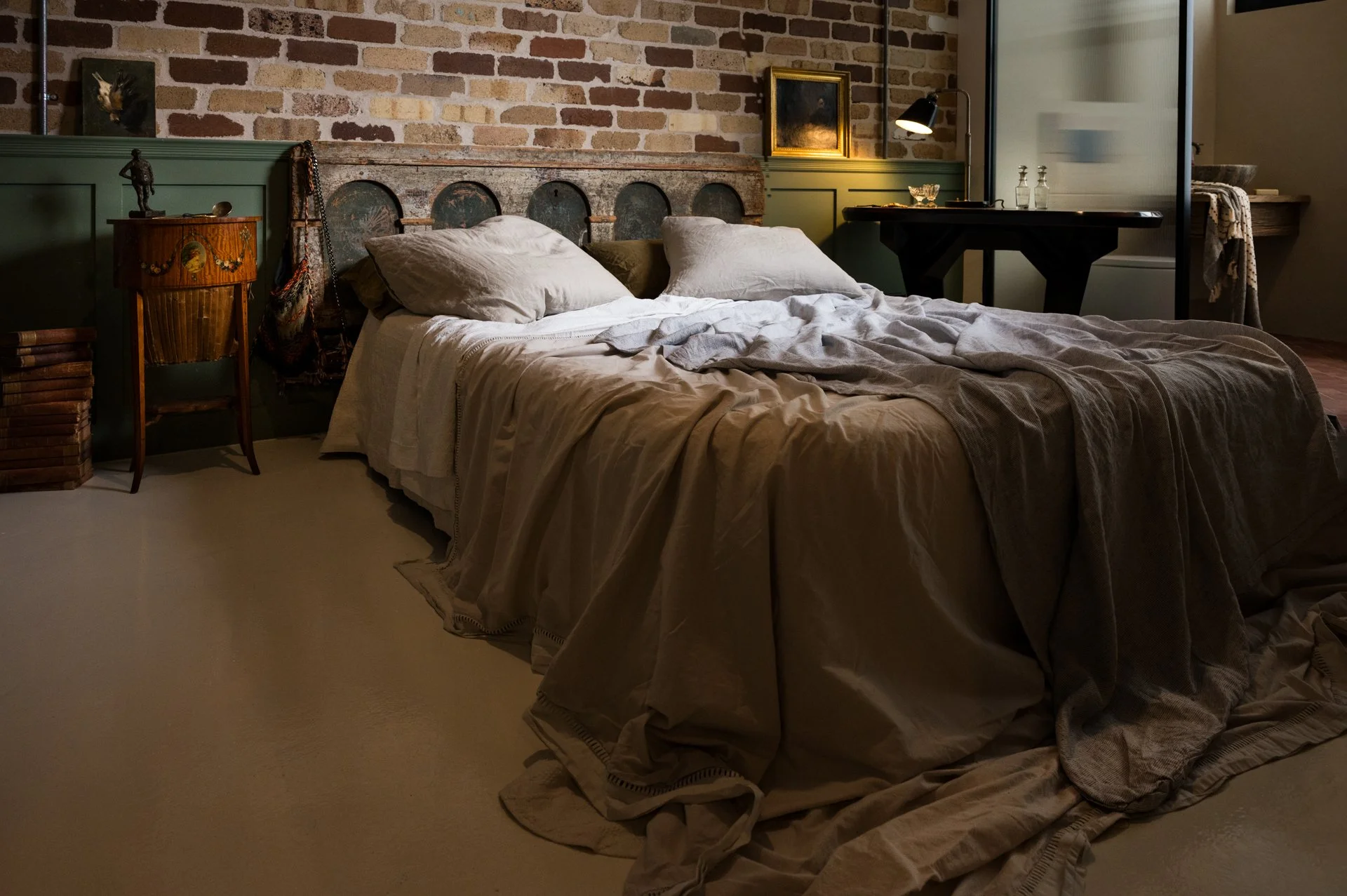
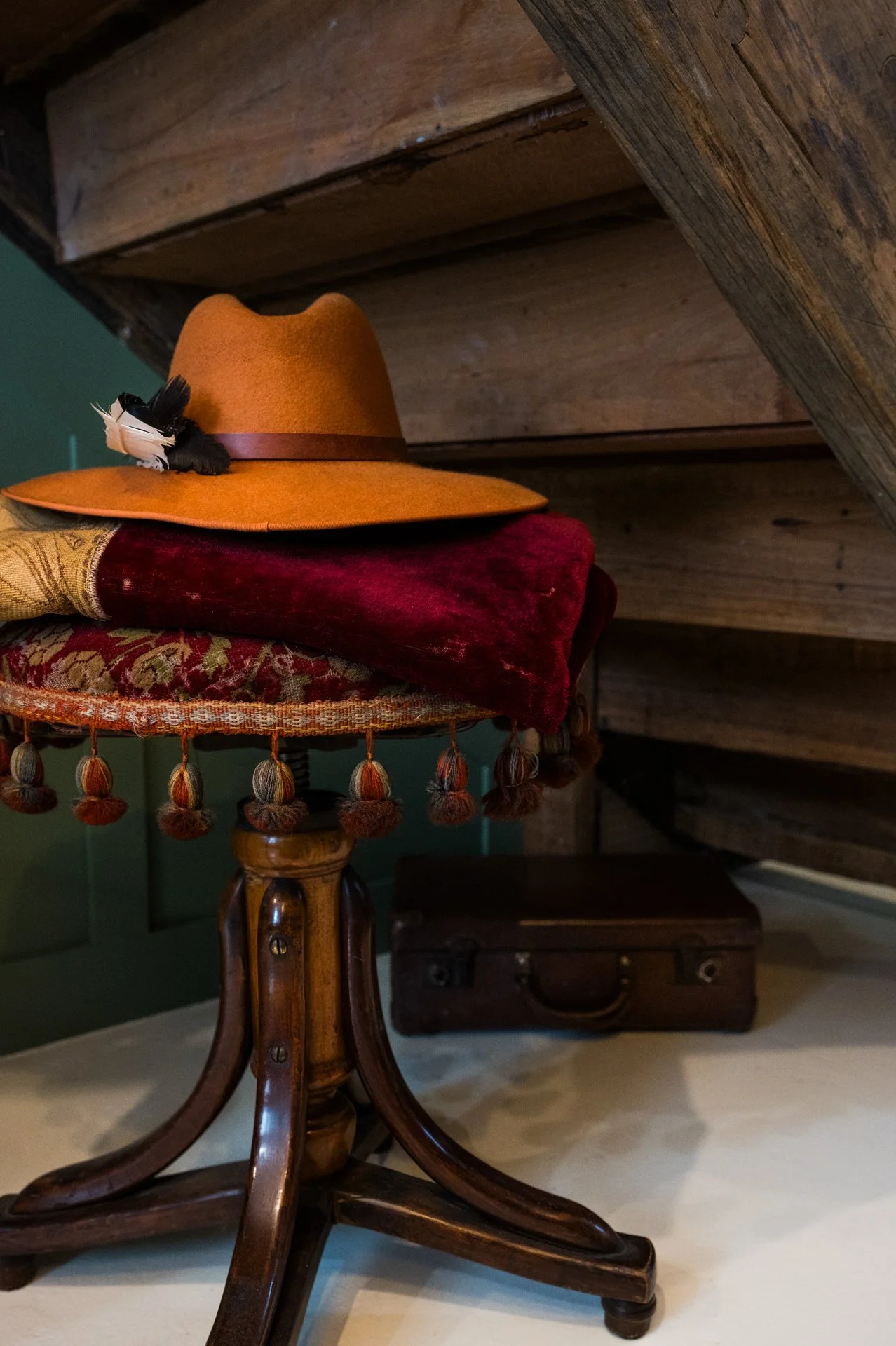
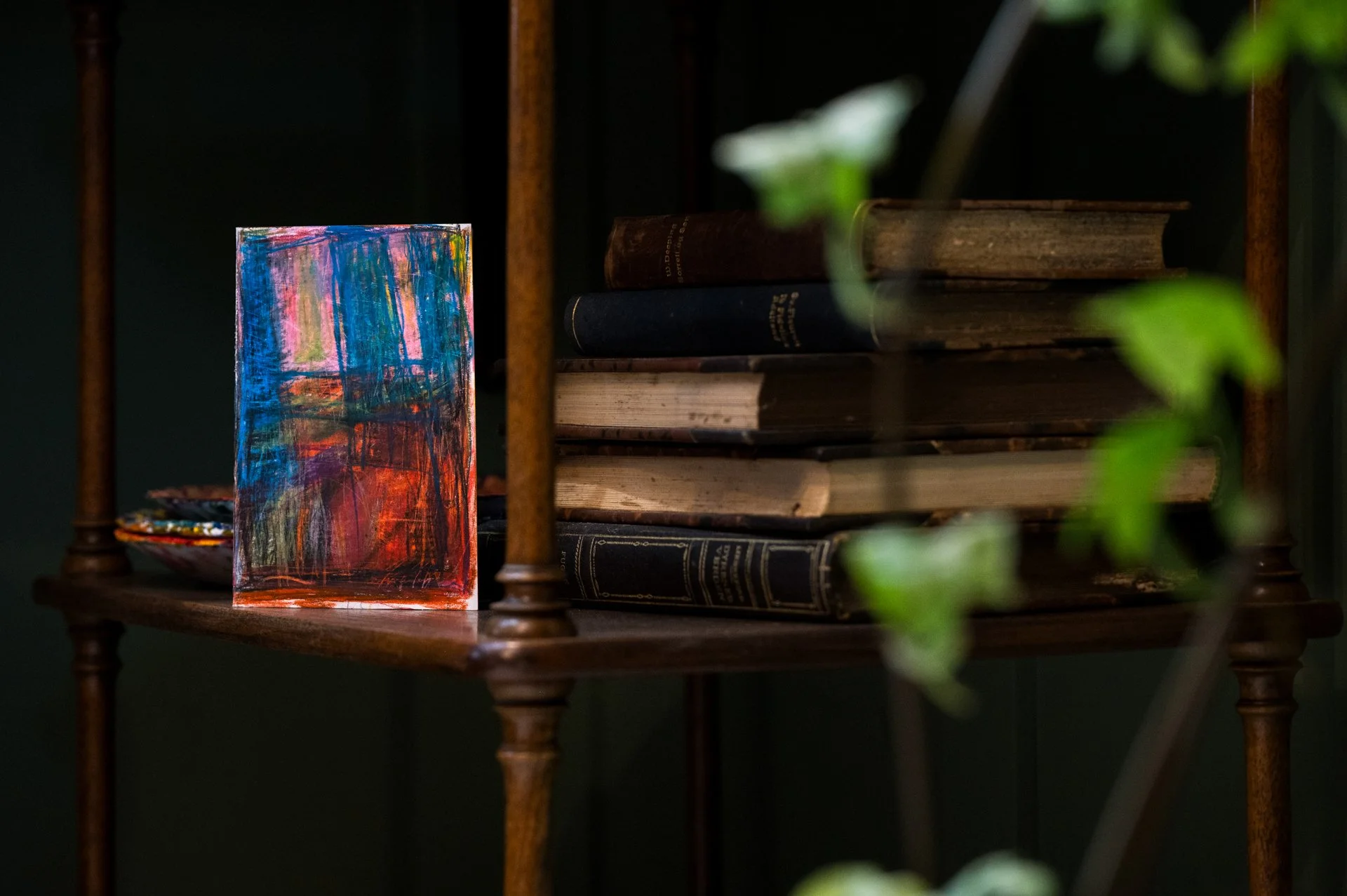
At the centre of the home is a staircase formed from salvaged timbers sourced from the Sydney Fish Markets thick, timeworn pieces, marked and imperfect, carrying their own history. It becomes an entry point not just physically, but an emotionally grounding moment within the space.
The interiors evolved through a continued dialogue between past and present. I sourced furnishings through The Eyespy Collective and Blake Watson Interiors, spending time immersed in their collections, imagining new contexts for old pieces.
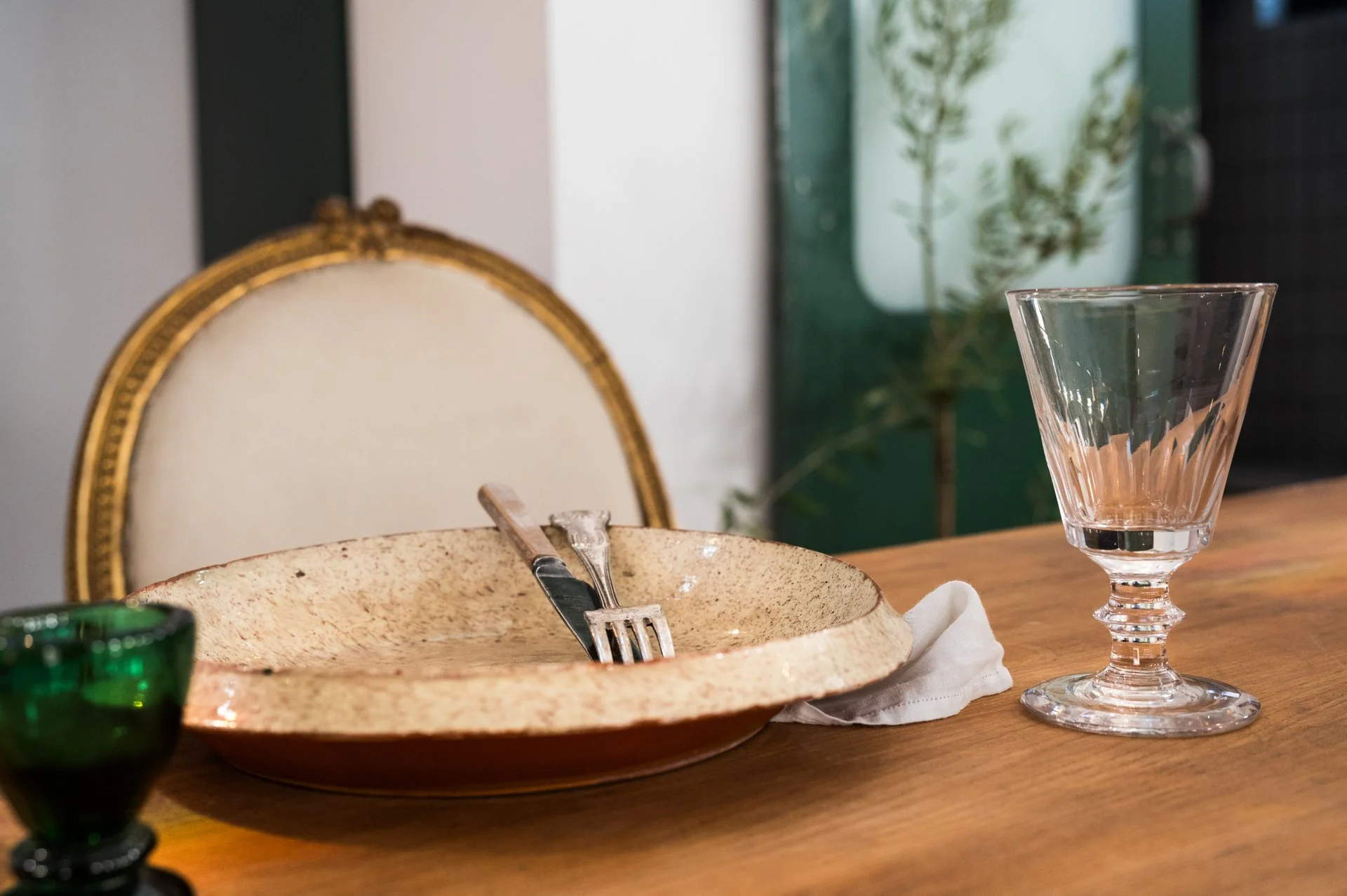
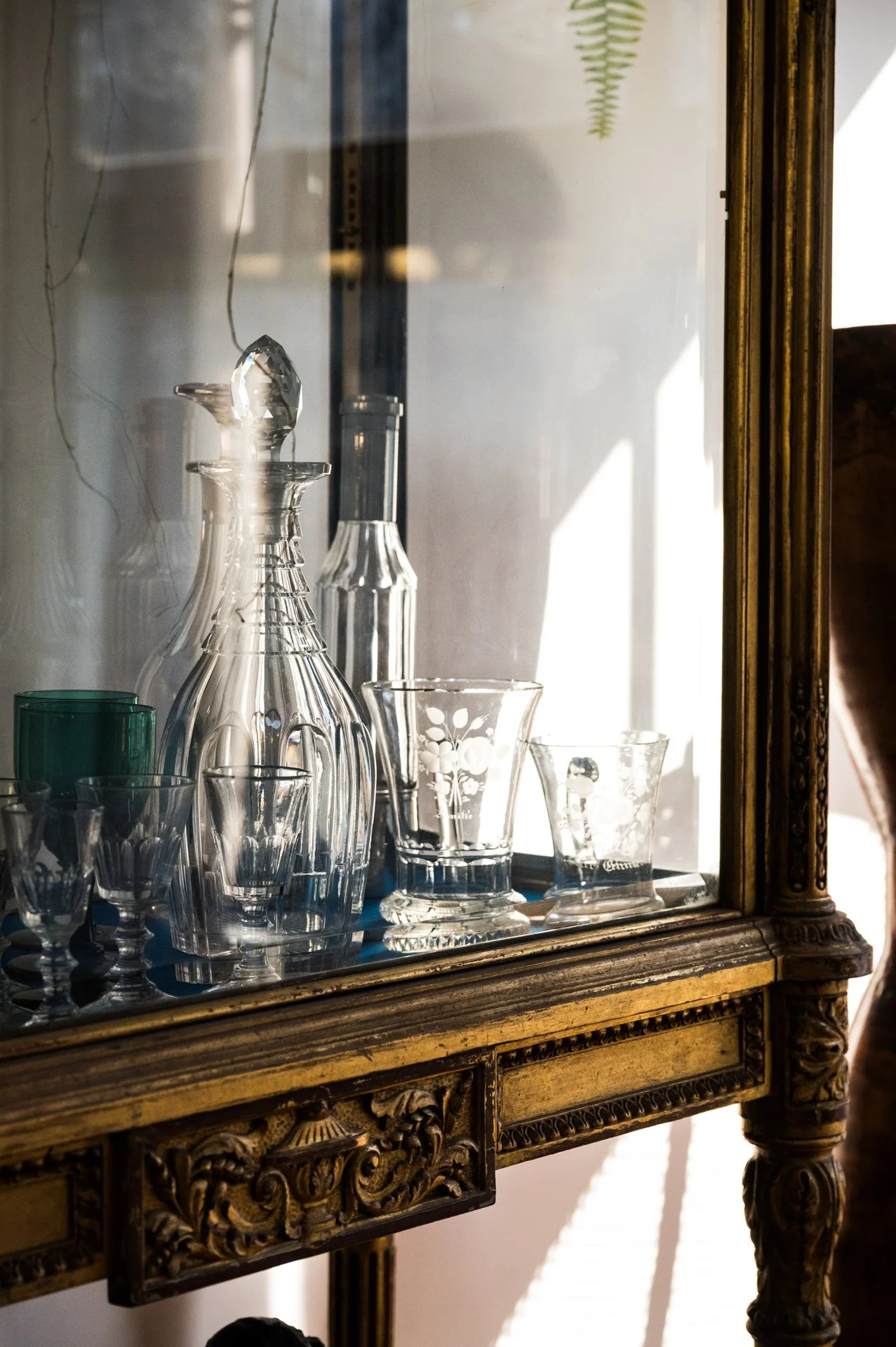
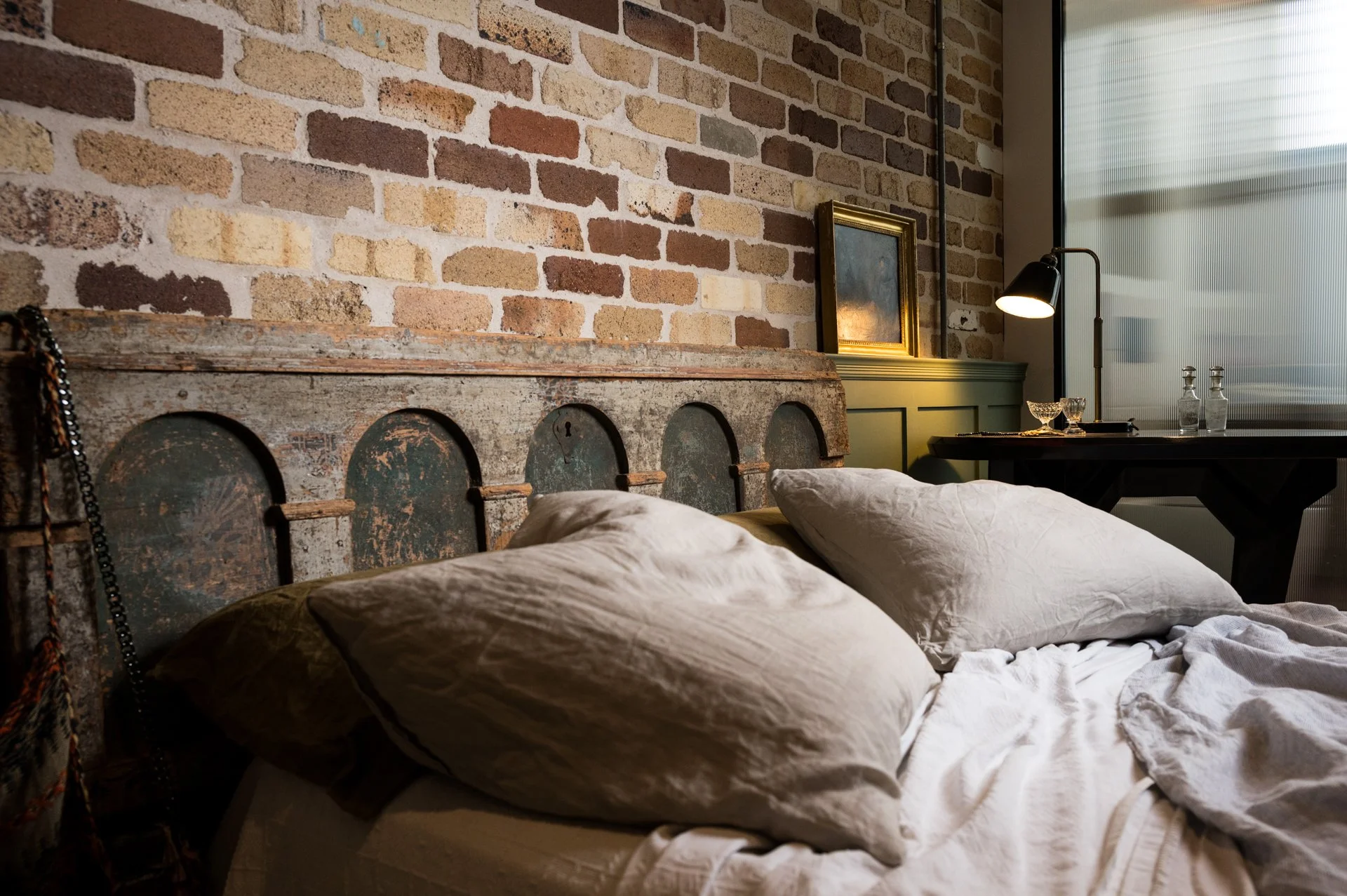
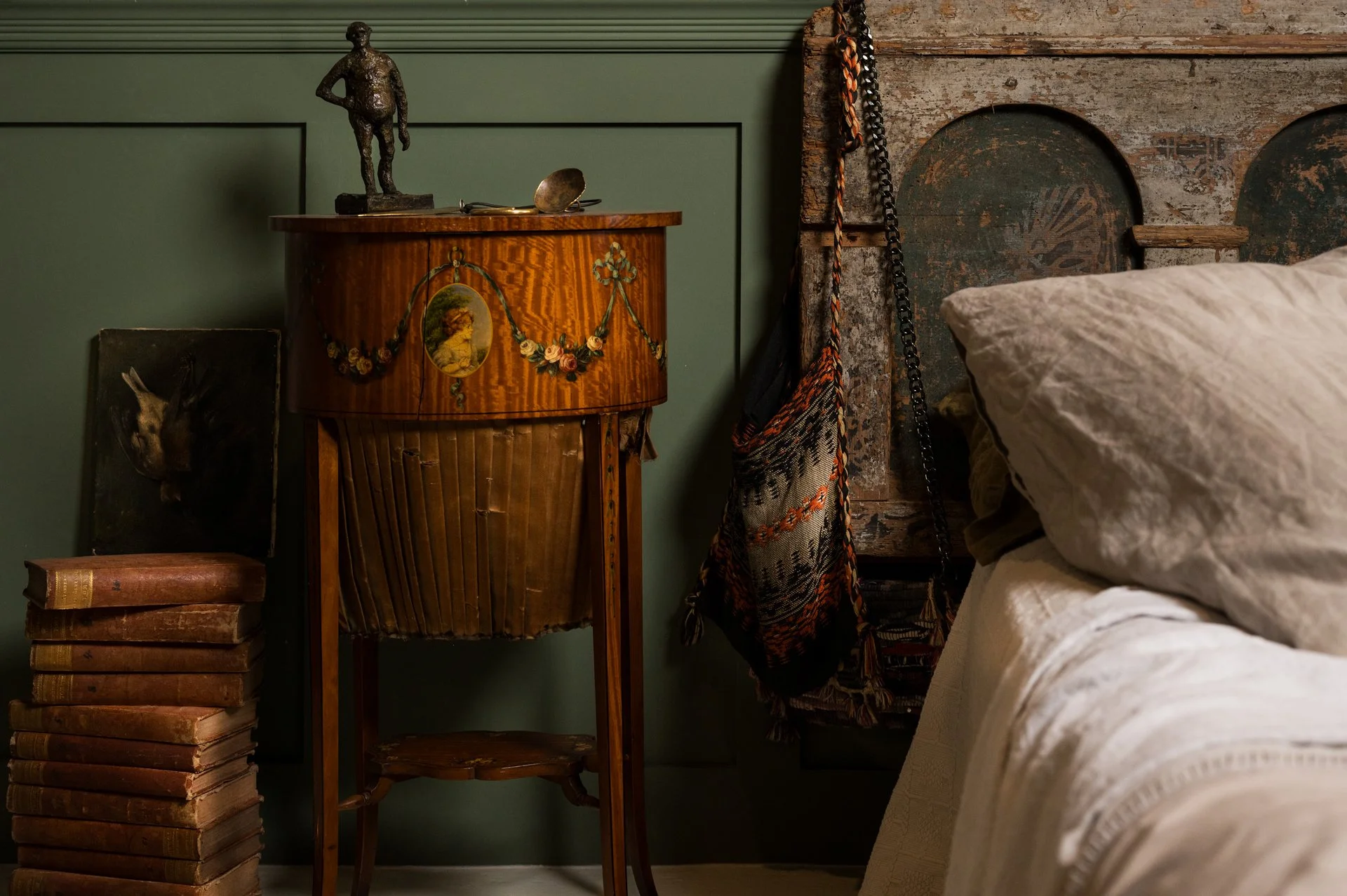
In the downstairs bedroom, a Cubist table from the 1930s sits deliberately alongside an 1800s hand-painted sewing table, two objects that shouldn’t speak to one another, yet somehow do. Upstairs, a Thonet chaise lounge holds the room in a different way again it is sculptural, curved, and quietly assertive. Across the house, pieces span centuries, including 18th-century glassware, each contributing to a layered, almost contradictory narrative.
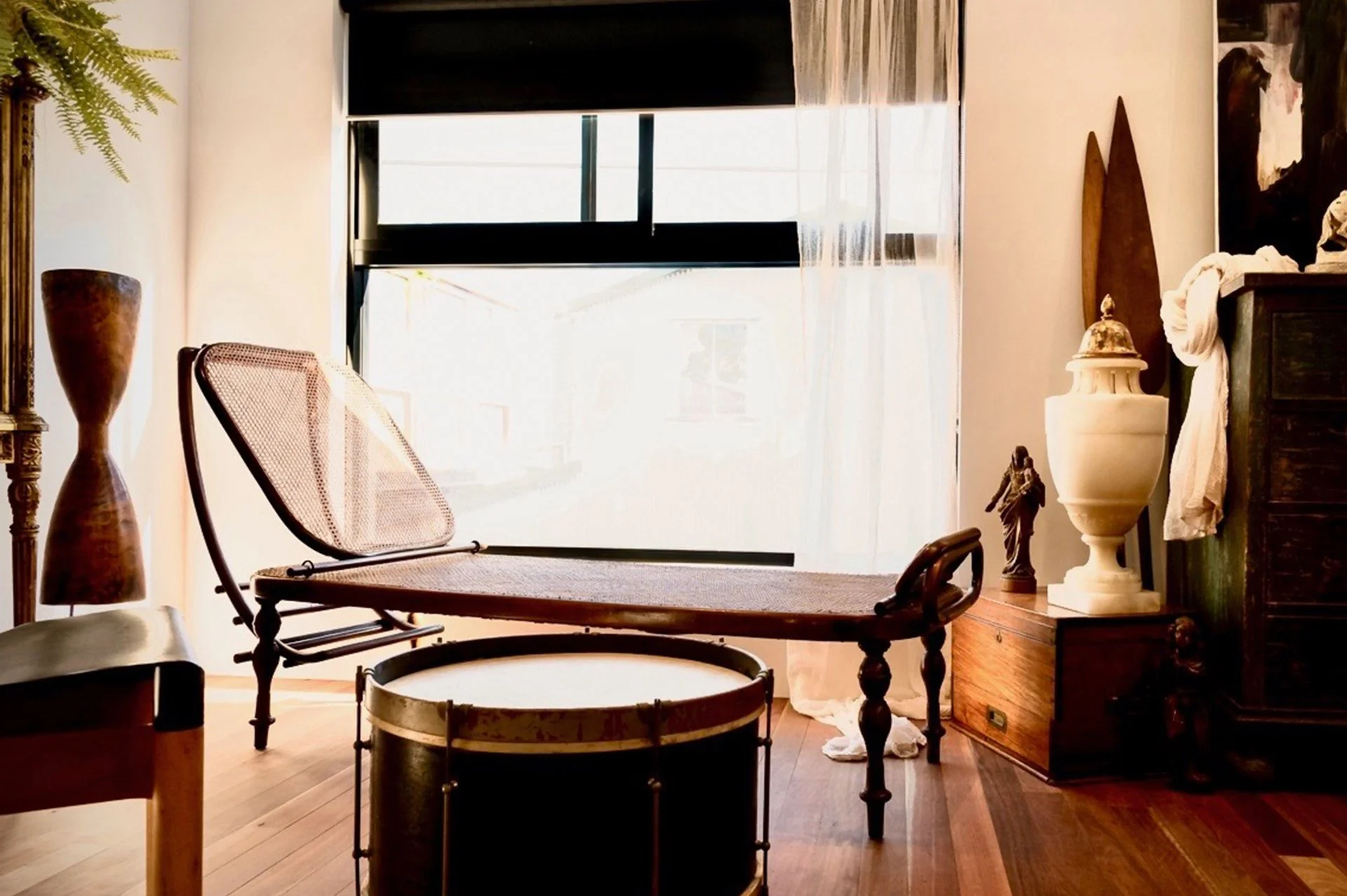
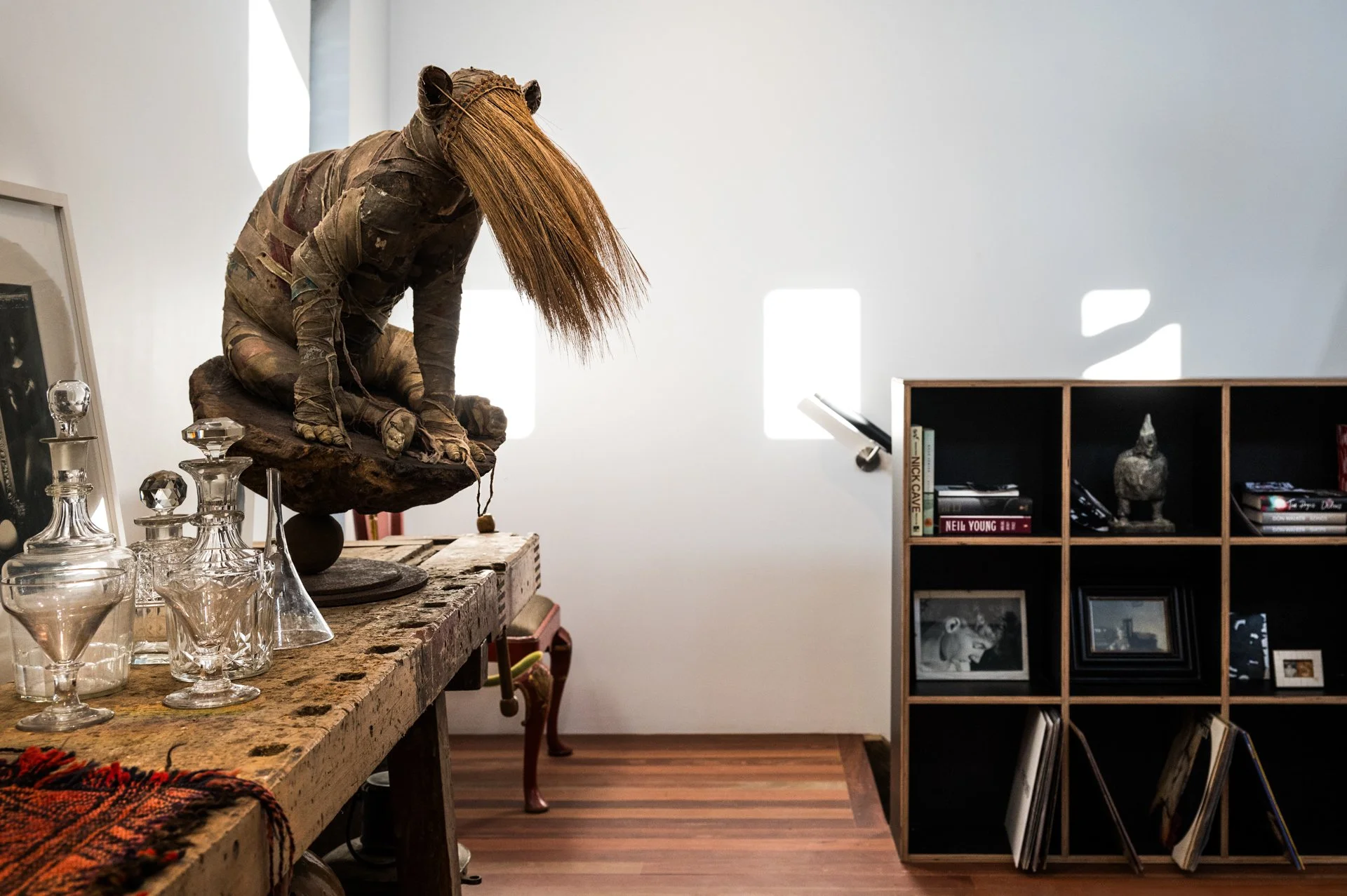
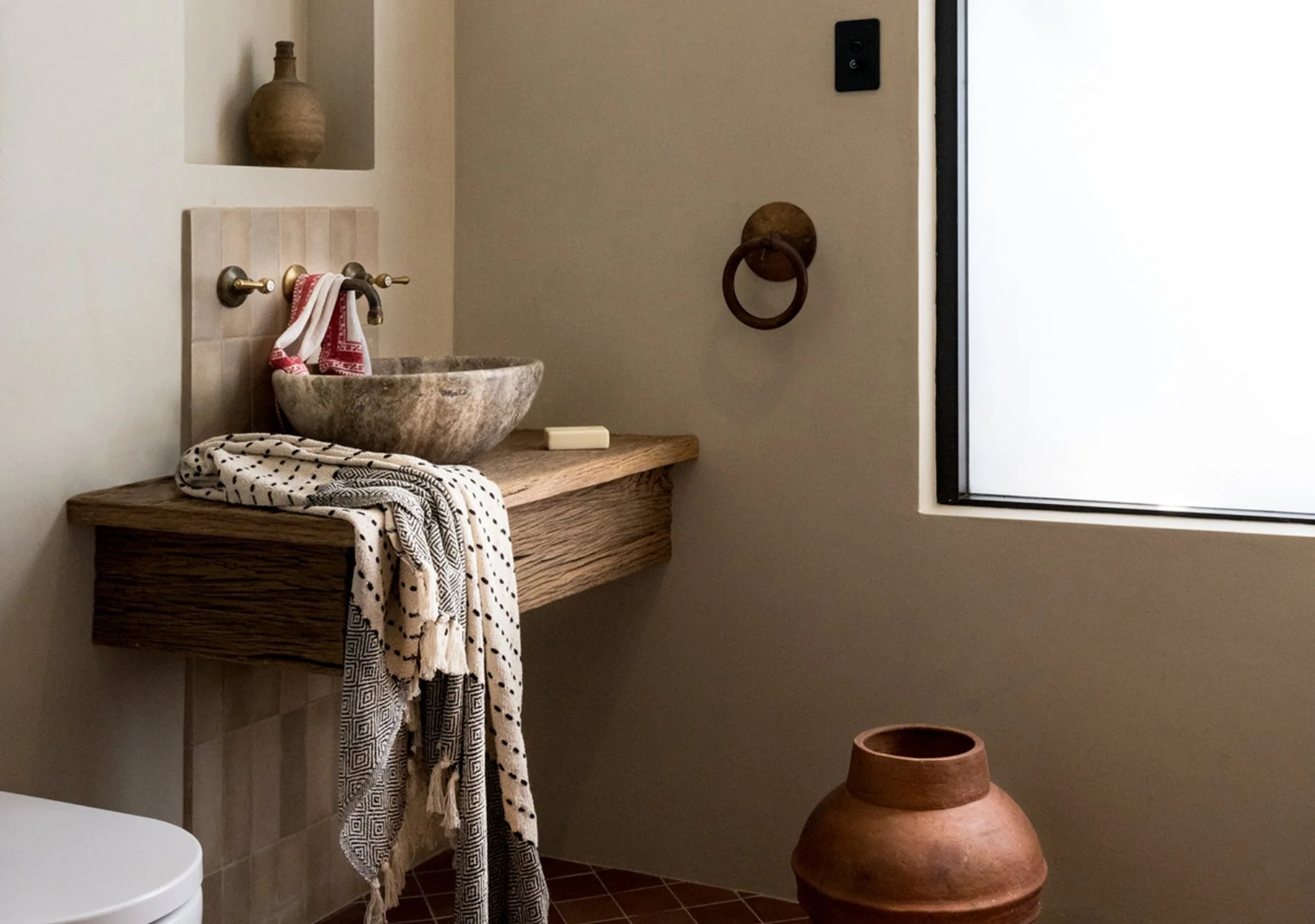
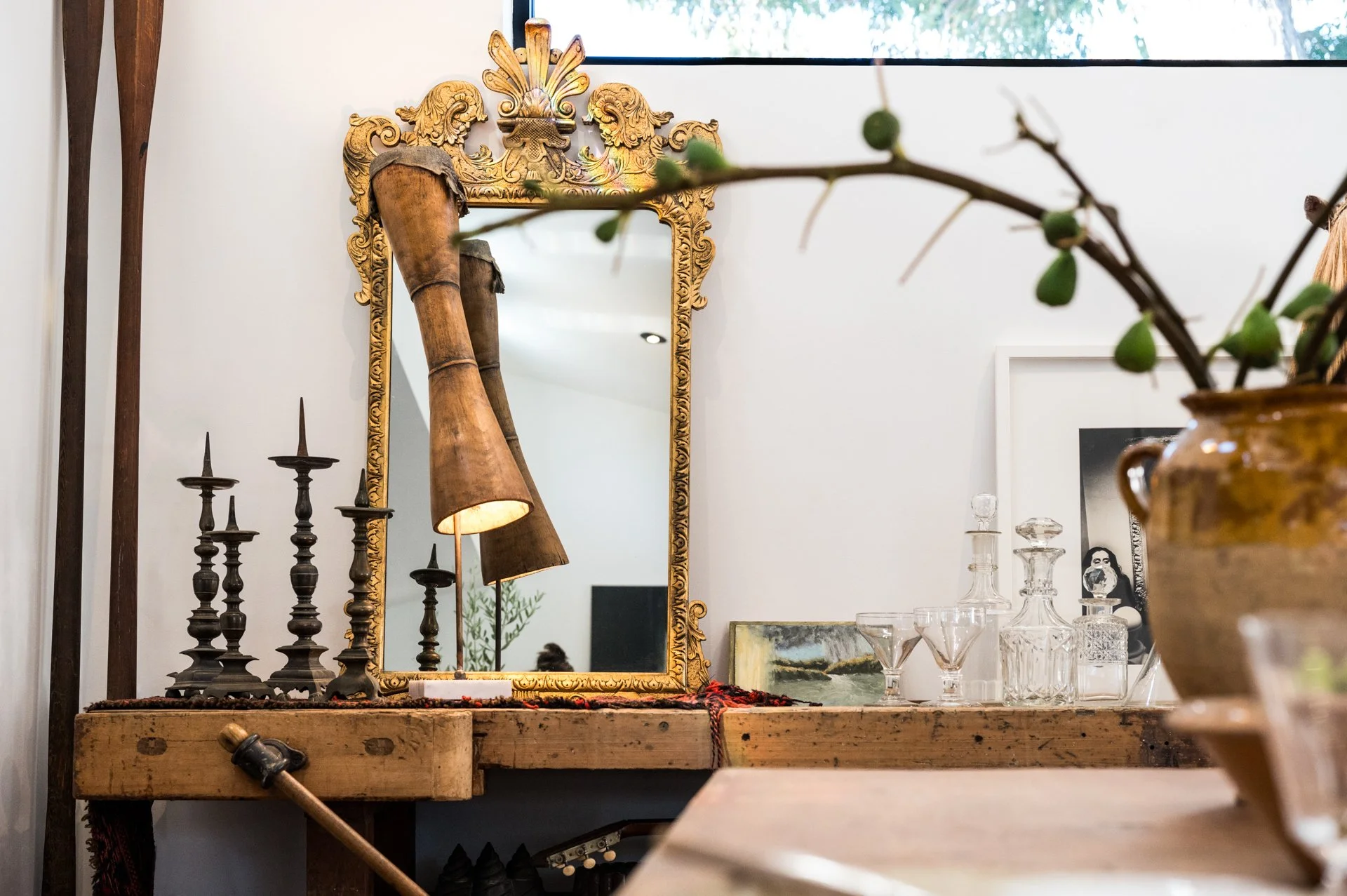
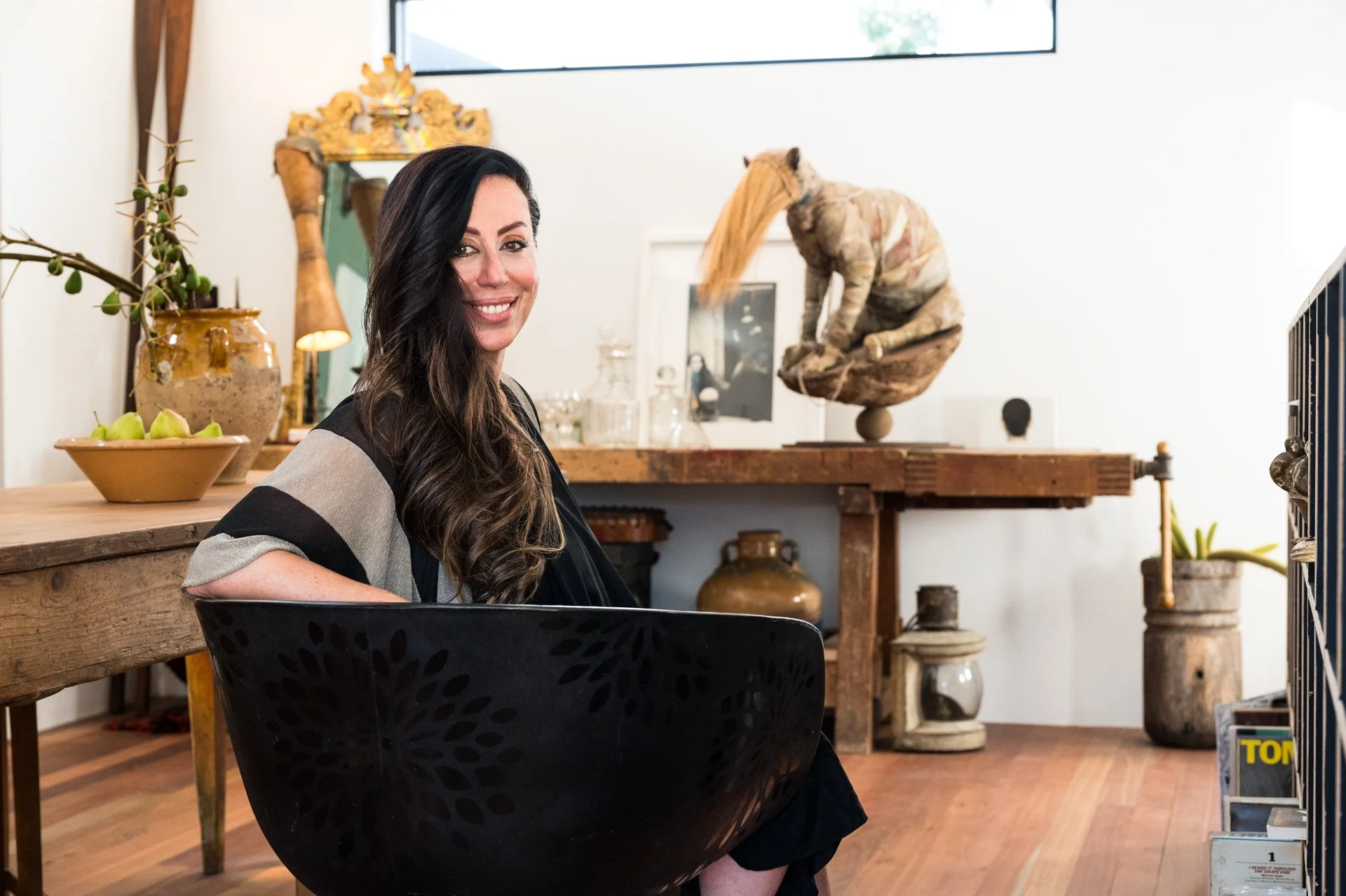
None of these combinations should work. But this is where I find meaning, in the tension, in the juxtaposition, in the challenge of resolving difference into something cohesive. I’m drawn to that dichotomy, to creating spaces that hold multiple timelines at once, yet feel resolved and whole.
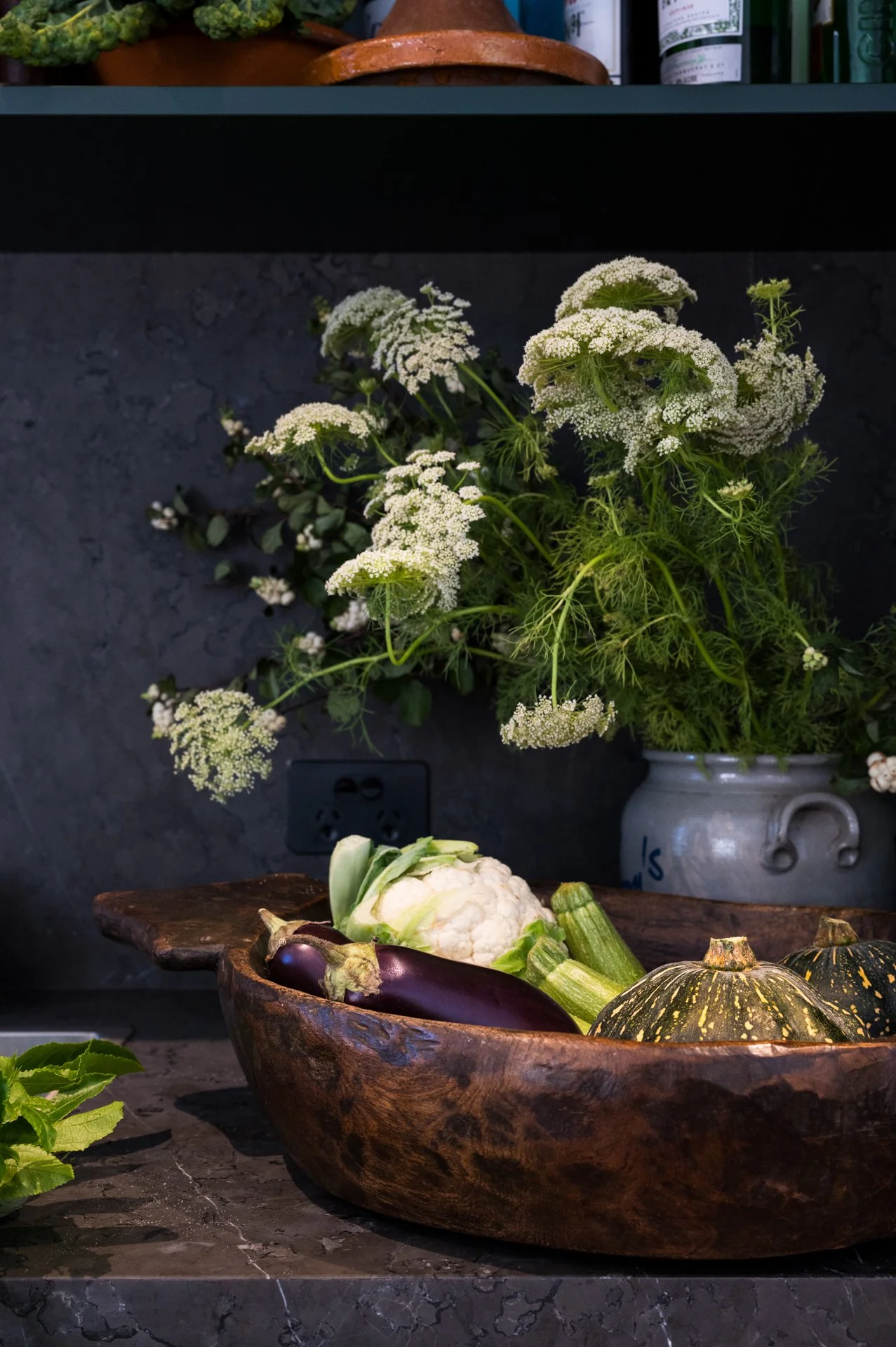
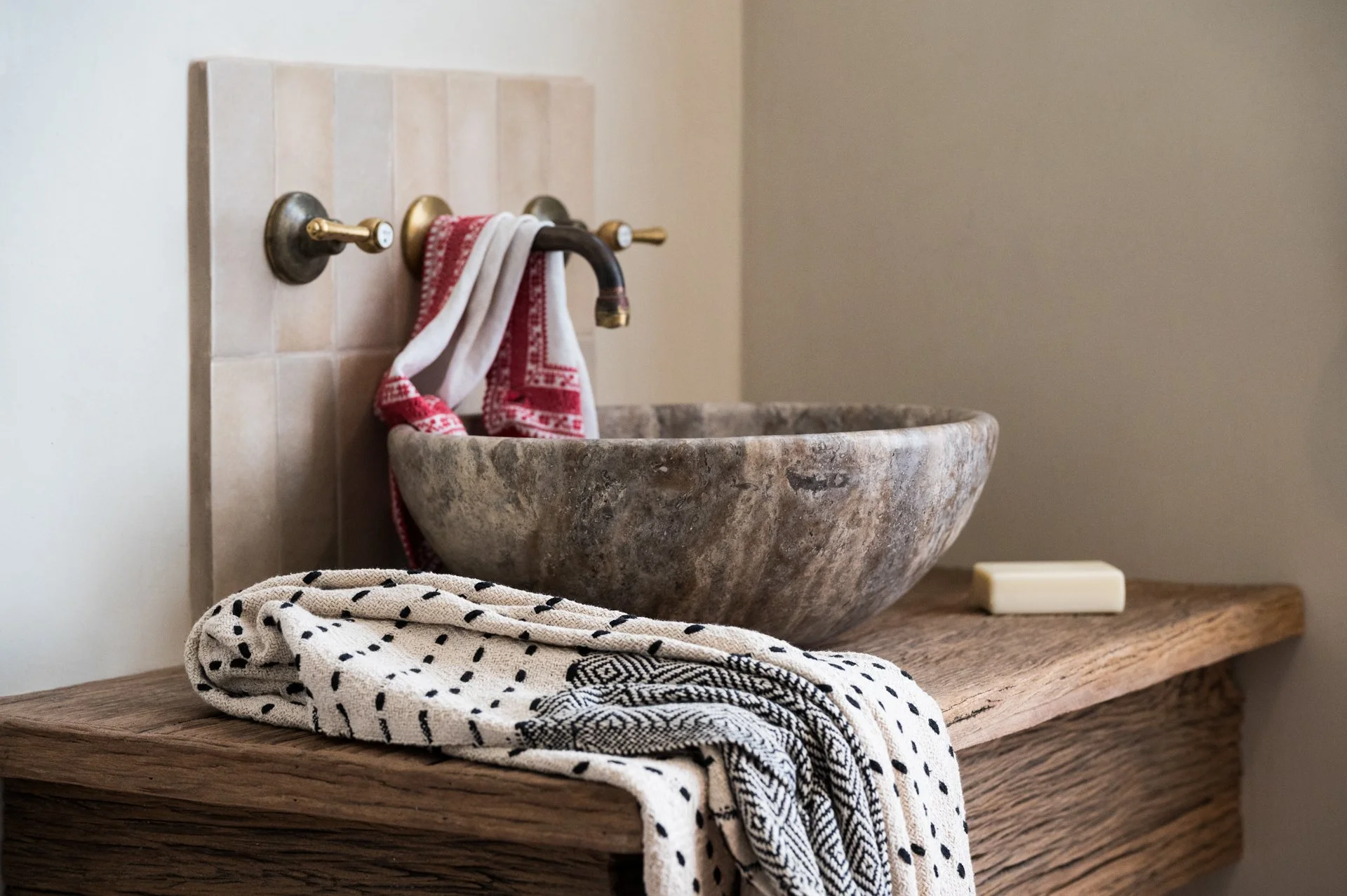
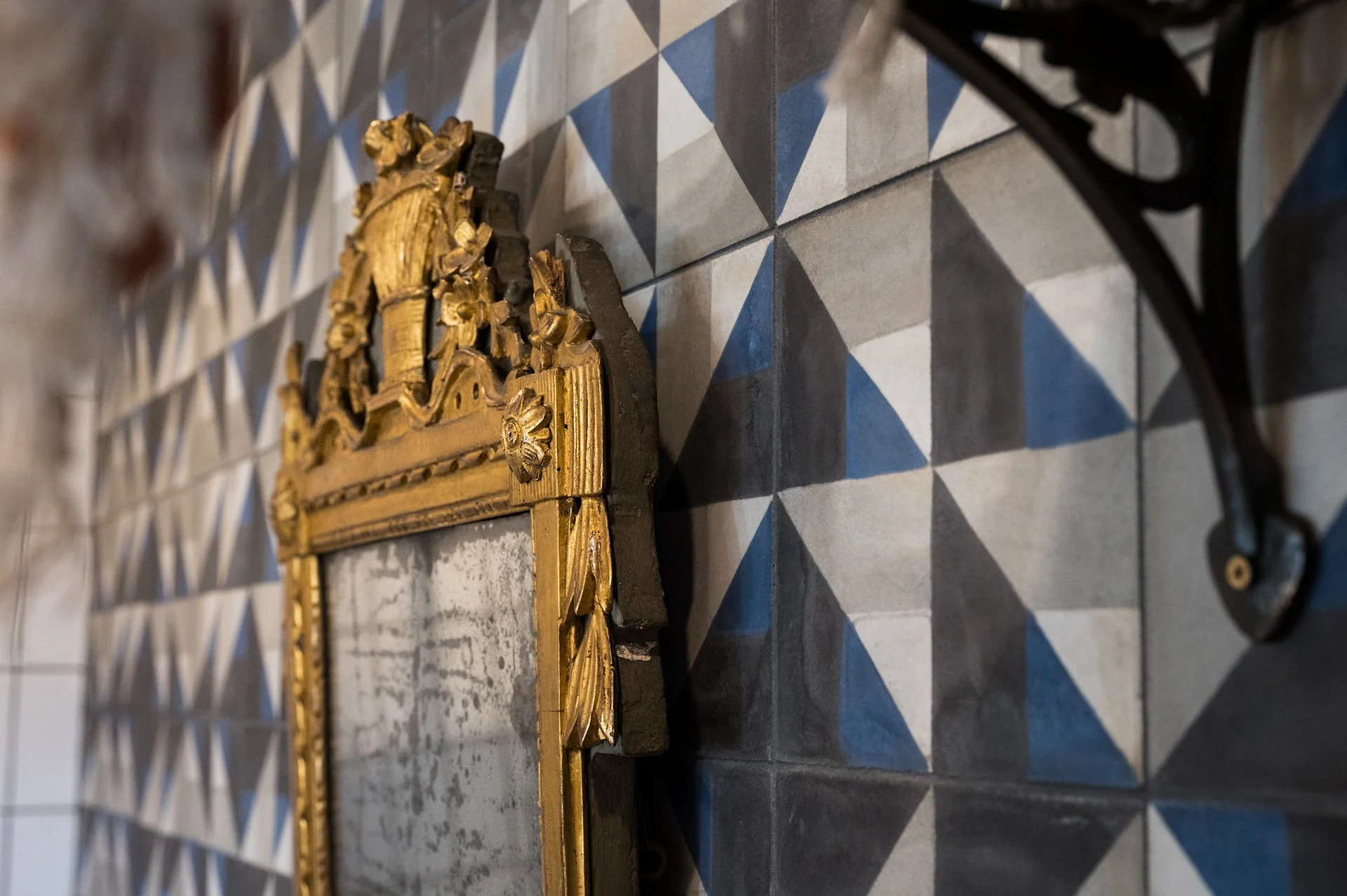
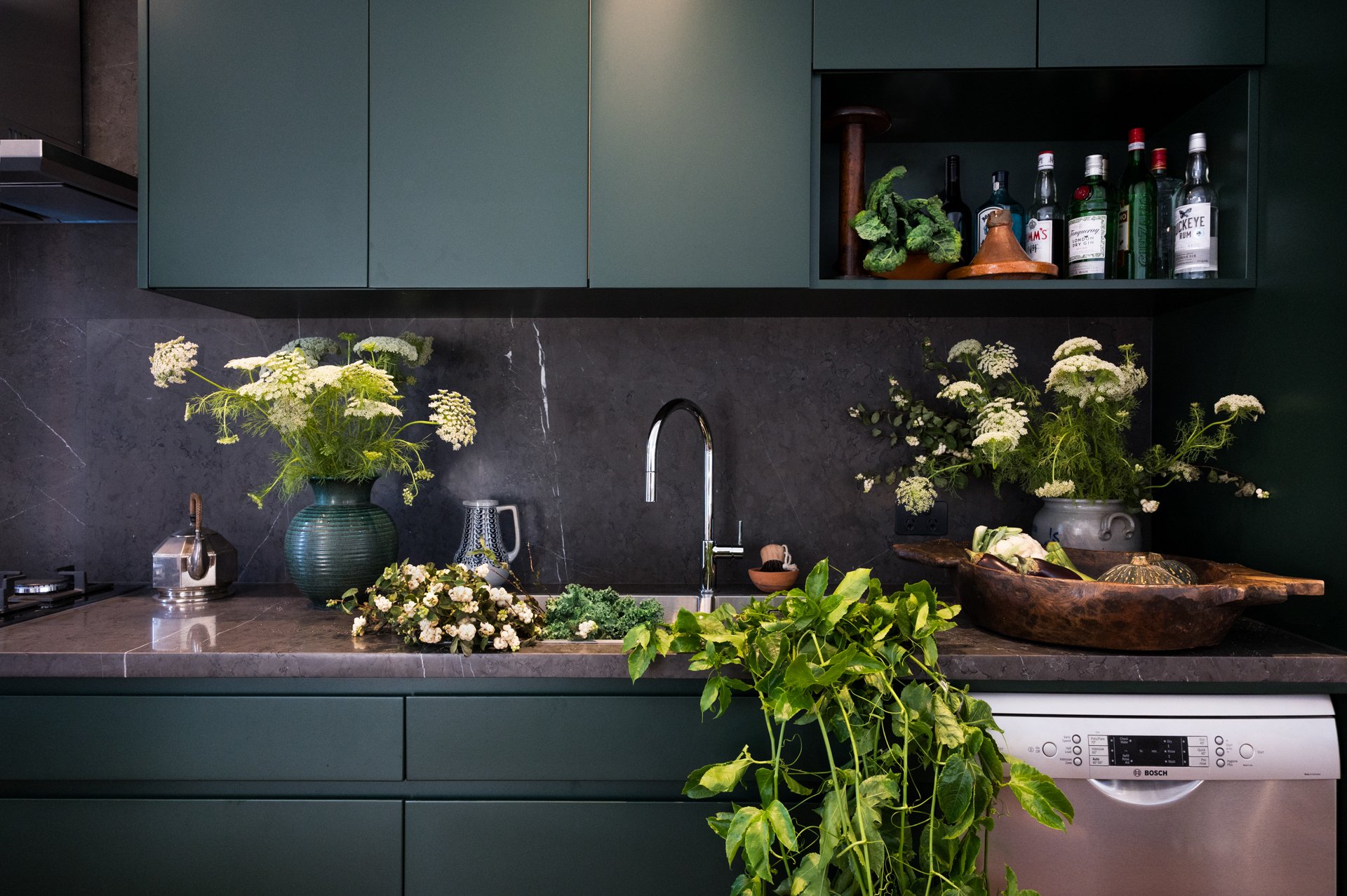
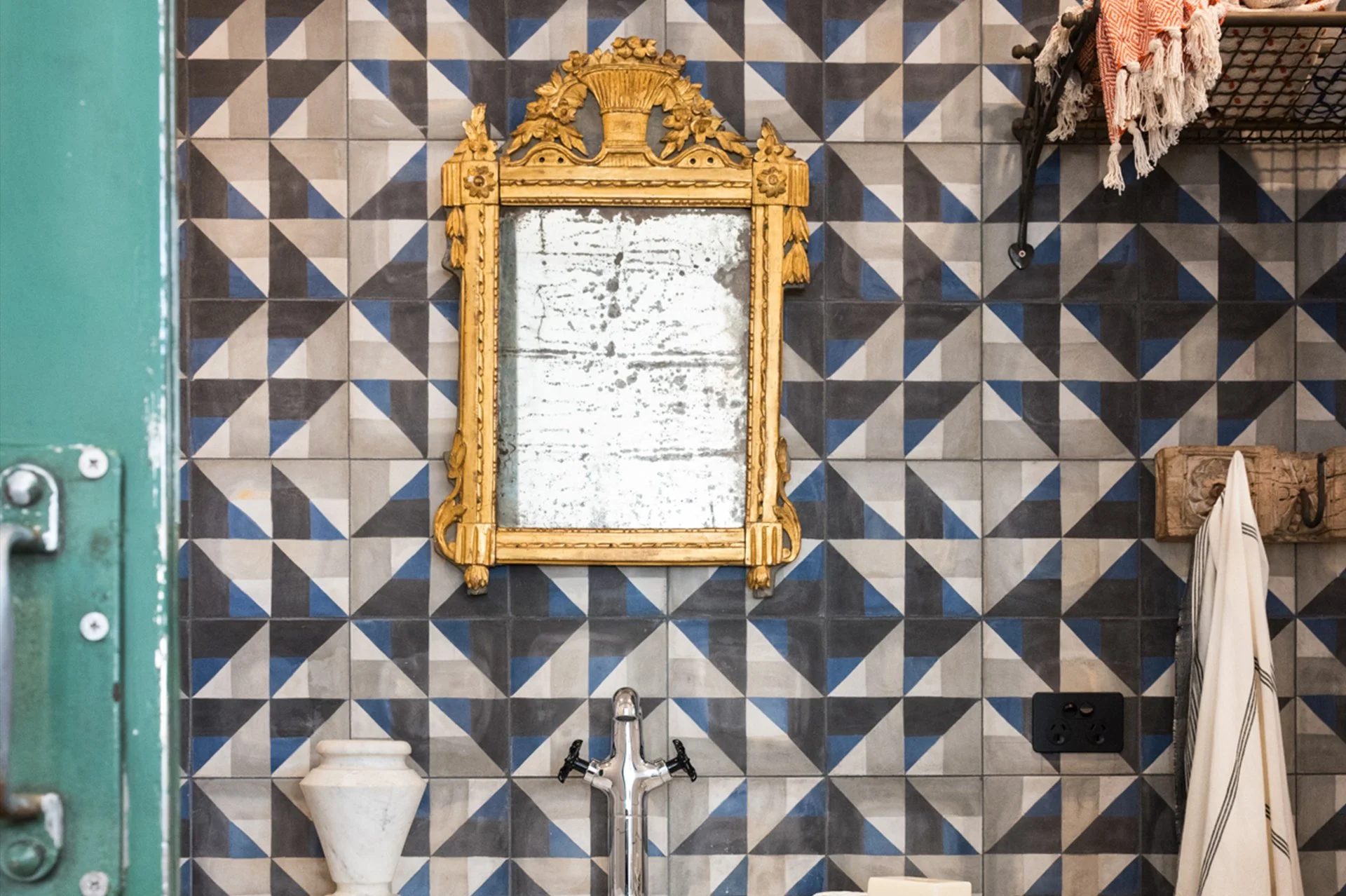
The kitchen is deliberately restrained with a matte forest green composition paired with honed Iranian black marble. The materiality is quiet but deliberate. Throughout, stone, tile, and timbers are repurposed or reimagined, often sourced as remnants or end-of-run pieces from other designers.
This way of working isn’t new to me. It’s instinctive something I’ve done since I was a child, piecing together small interiors from whatever I could find to create meaning through arrangement and reuse. My background in art and photography continues to shape how I see in composition, in contrast, in the quiet tension between objects.
The Treehouse is deeply personal. It’s not just a project, but a process in collaboration between materials, makers, and memory. A space that feels as though it has always been there, waiting to be assembled.